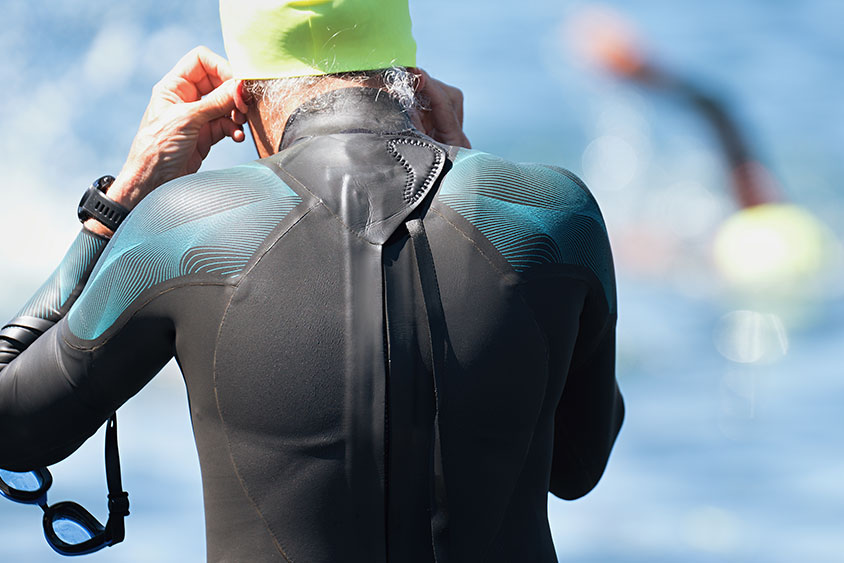
If you've ever seen or watched a triathlon and thought, "I could never do that," you're not alone, but most importantly, you're probably wrong. Triathlon is genuinely one of the hardest things a person can take on, not because it's reserved for superhuman athletes, but because it demands more of you across more dimensions than almost any other endurance pursuit on the planet.
We know this because we've been there. We understand the fear, the logistics overwhelm, and the 5 a.m. training sessions. We also understand the sense of accomplishment waiting on the other side. Our job is to help you get there.
This article lays out exactly why triathlon earns its reputation as the ultimate challenge, and why that challenge is absolutely worth taking on.
Why Trust Us?
ACTIVE.com's editorial team relies on the knowledge and experience of fitness and wellness experts, including competitive athletes, coaches, physical therapists, nutritionists, and certified trainers. This helps us ensure that the products we feature are of the highest standard. Collectively, the team has spent countless hours researching equipment, gear, and recovery tools to create the most accurate, authentic content for our readers. Customer satisfaction is also a key part of our review process, which is why we only feature highly rated products.
What Makes Triathlon the Ultimate Endurance Challenge?
Ask most people what the hardest endurance event is, and they'll say an Ironman, an ultramarathon, or maybe a marathon swim. They're not wrong that those events are brutal. But the reason triathlon stands apart isn't just physical difficulty; it's that the challenge operates on five levels simultaneously: physical, logistical, emotional, mental, and nutritional.
Other endurance sports can break you physically. Triathlon can break you in every other way too, and it demands that you solve all of those problems at once, on race day, after months of juggling three sports in training.
Three Sports, One Race: The Challenge of Becoming a Triathlete
In almost every other endurance pursuit, athletes specialize. Runners run. Cyclists cycle. Swimmers swim. Even elite athletes in those sports spend entire careers optimizing one discipline. Beginner triathletes are trying to improve at swimming, biking, and running simultaneously, often with limited experience in at least one of those sports, while also learning how to train across all three without breaking down.
The balancing act of where to invest your limited training time never goes away. Even experienced triathletes are constantly making tradeoffs. Here's what each discipline demands on its own:
- Swimming: Technique-dependent in a way running and cycling are not. Poor form costs far more energy per meter than poor running form costs per kilometer. Most adults are inefficient swimmers and need significant coaching to improve.
- Biking: Requires the most gear investment, the most technical knowledge, and carries the highest injury and mechanical failure risk of the three sports.
- Running: Comes last in the race on already-depleted legs, making your run-training times a poor predictor of your actual race pace.
The Logistical Complexity No Other Endurance Sport Demands
To run an ultramarathon, you need shoes, clothing, and a hydration plan. To race a triathlon, you need to become an expert in an entirely different category of equipment for each leg, and learn how to set up and execute transitions between all three. Compared to almost any other endurance event, the logistical bar is dramatically higher.
Key areas every triathlete must learn to manage:
- Bike selection and fit: Road bike vs. tri bike, sizing, aero positioning, and how those choices affect performance and comfort over long distances
- Bike maintenance: Basic mechanical skills, including flat repair, chain care, and brake adjustments, because aid stations don't fix bikes
- Swim gear differences: Pool goggles vs. open water goggles, wetsuits, sighting, and buoy navigation
- Transition setup: T1 (swim to bike) and T2 (bike to run) require practiced routines that can save or cost several minutes
- Nutrition self-management: Unlike many ultramarathons with frequent aid stations, triathlon nutrition is largely athlete-managed, especially on the bike
The Open Water: Why Swimming Makes Triathlon Uniquely Hard
Of the three disciplines, open water swimming is the one that most consistently catches new triathletes off guard. It's not just about fitness. It's about functioning in an environment humans are not naturally built for, surrounded by dozens or hundreds of other bodies, with no lane lines, no pool wall to grab, and no ability to put your feet down.
Humans Are Not Built for Open Water Racing
Running and cycling happen on land, environments where human physiology works as intended. Open water swimming does not. The body's instinct in chaotic water is panic, not performance. A crowded race starts, with dozens of athletes swimming over one another in murky water, triggering stress responses that have nothing to do with fitness level. Experienced triathletes still find mass-start swims mentally demanding.
Specific challenges open water presents that no land-based endurance sport does:
- Sighting: You must lift your head to navigate, which disrupts your stroke and costs energy
- Contact: Getting kicked, grabbed, or swum over is normal, and one must be mentally prepared for
- No reference points: Without lane lines, maintaining a straight line requires constant correction
- Temperature: Cold water triggers the gasp reflex and can cause hyperventilation in unprepared athletes
- Currents and chop: Unlike pools, open water moves, and it rarely moves in your favor
- Wetsuit management: Adding a wetsuit changes your buoyancy, stroke, and body position in ways that require specific practise
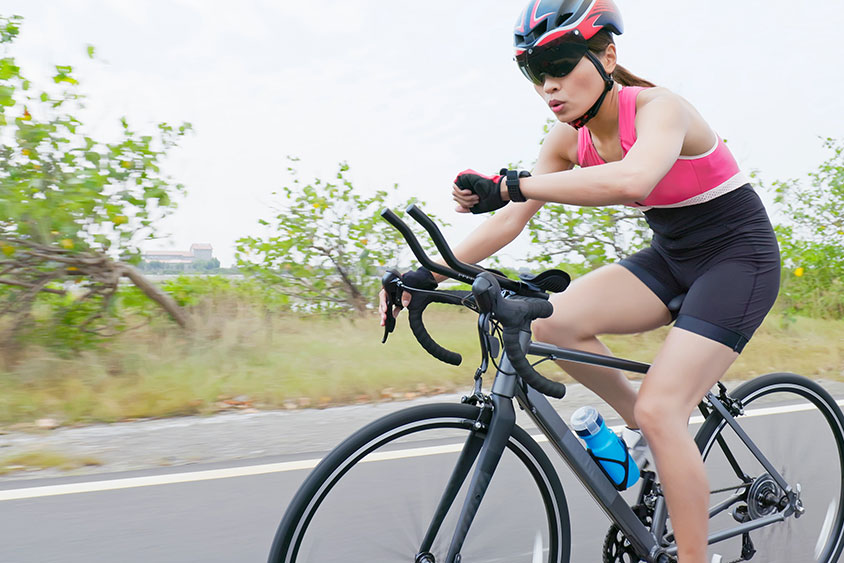
The Emotional and Mental Toll of Triathlon Training
Race day is one day. Training is six months or more of daily decisions, early mornings, and constant negotiation between what your goals demand and what your life allows. For most age-group triathletes, the emotional weight of the training process is heavier than the race itself.
How Two-a-Day Workouts Test Your Life Balance
Two-a-day workouts are not exceptional in triathlon training; they are the standard, particularly for Ironman and 70.3 athletes. Swimming in the morning and running in the evening, or cycling before work and doing a brick run after, is a normal training week. That volume, sustained over months, creates real emotional fatigue that can strain relationships, affect sleep, and chip away at motivation.
Practical ways to manage the emotional demands of triathlon training:
- Communicate with your household early: Set expectations with partners and family before the training block begins, not during
- Schedule recovery as seriously as workouts: Rest days are not optional; they are when adaptation happens
- Find your training community: Solo endurance training is isolating; group workouts reduce emotional load significantly
- Track non-fitness wins: Progress in triathlon is slow. Logging gear knowledge, learning nutrition, and improving technique keep motivation alive between fitness breakthroughs.
- Built-in race-free recovery periods: Seasonal structure prevents the burnout that kills long-term participation.
Why the Triathlon Course Is a Mental Endurance Challenge
Ultramarathons wind through mountains. Gran fondos cross scenic countryside. Triathlon courses are frequently flat, repetitive loops through industrial waterfronts and closed highway segments. The race is long, often lonely, and rarely picturesque. That is not a criticism; it's a reality that triathletes need to prepare for mentally, just as they prepare physically.
Mental strategies that experienced triathletes use to get through the race:
- Segment the race: Focus only on the current discipline. The run does not exist during the bike. The bike does not exist during the swim.
- Use mantras: Short, repeatable phrases anchored in training help overcome low points on the course.
- Race to effort, not pace: Triathlon pacing is unpredictable. Athletes who chase pace targets fall apart; athletes who race by feel adapted.
- Practice discomfort in training: Deliberately finish long workouts tired to build tolerance for late-race suffering.
- Embrace the grind: Reframing the monotony as proof of mental toughness rather than a problem to solve changes the experience.
Nutrition: The Fourth Discipline of Triathlon
In marathon swims and ultramarathons, fueling is demanding but relatively consistent; consume enough calories at a manageable effort level, and your digestive system can usually cope. Triathlon nutrition does not work that way. The effort level, body position, and digestive capacity change completely from swim to bike to run, so your fueling strategy has to change accordingly.
Why Fueling Changes Across Swim, Bike, and Run
- Swim: Zero calorie intake is possible during the swim. Any nutrition must come immediately before the start or in T1. The swim also suppresses hunger signals, so athletes often arrive at the bike already behind on calories without realizing it.
- Bike: The primary fueling window of the race. Body position is relatively stable, heart rate is manageable, and the gut can absorb calories. Most athletes should take in the majority of their race nutrition here. However, the aero position compresses the stomach, which limits volume tolerance.
- Run: High exertion reduces blood flow to the digestive system, making it harder to absorb calories. Many athletes experience nausea on the run that has nothing to do with what they ate; it's a consequence of the physical demands of running after hours of biking.
How to Manage Calories, Hydration, and Electrolytes on Race Day
Managing nutrition across a triathlon is a skill that must be practiced in training, not figured out on race day. Here are the key rules of thumb:
- Never try new nutrition on race day. Every product, timing, and quantity must be tested in training first.
- Start eating on the bike within the first 15 minutes, before hunger appears. By the time you feel hungry, you are already behind.
- Target 60–90g of carbohydrates per hour on the bike for events lasting more than two hours, adjusting for individual tolerance.
- Drink to thirst, not to schedule, but ensure you are consuming electrolytes, not just water, to avoid dilutional hyponatremia.
- Practice run nutrition in brick workouts so your gut learns to process calories while running off the bike.
- Have a nutrition plan B. If your stomach shuts down on the run, know in advance which simpler foods (cola, broth, bananas) you can fall back on.
Every endurance pursuit changes you. Triathlon changes you across more dimensions than almost any other. Athletes who commit to the process, not just race day, but the months of training leading to it, come out different on the other side in ways that are difficult to anticipate fully.
The Physical Changes of Training Across Three Sports
Training simultaneously in three disciplines produces a level of all-around fitness that single-sport training rarely achieves. The body adapts to demands that are genuinely diverse, cardiovascular, muscular, and neuromuscular, in ways that make triathlon-trained athletes unusually capable across a wide range of physical and mental challenges.
Common physical changes triathletes experience:
How Becoming a Triathlete Changes Your Identity
The physical and mental transformation that comes from triathlon training extends beyond fitness. Athletes consistently report that the process changes how they think about difficulty, set goals, and show up in areas of life that have nothing to do with sport.
Identity and mindset shifts triathlon training commonly produces:
- A shift from "I can't" to "I haven't yet", the triathlon process builds evidence that hard things are learnable
- Increased tolerance for discomfort in non-athletic contexts
- Stronger personal growth orientation, triathletes tend to measure themselves against their past performance, not other people's
- Greater camaraderie and community connection through shared suffering and shared goals
- A more disciplined relationship with time, sleep, and recovery
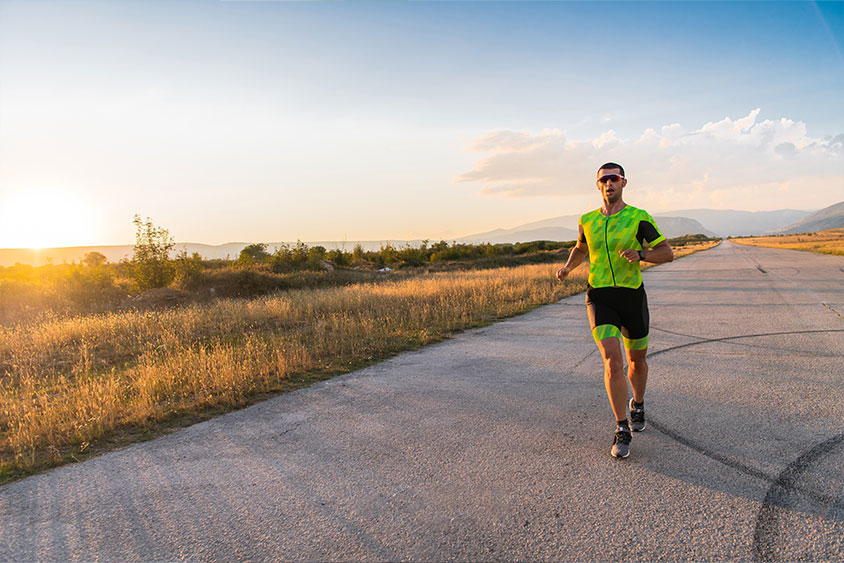
Starting Your Triathlon Journey
No matter where you are starting from, couch, 5K runner, or occasional gym-goer, a triathlon is more accessible than it appears from the outside. The sport has entry points at every level, and the community is genuinely welcoming to beginner athletes. What matters most is getting started with the right support around you.
Finding a Triathlon Club and Building Your Support System
Joining a triathlon club is one of the single best decisions a new triathlete can make. The learning curve in triathlon is steep, and having experienced athletes around you compresses it dramatically. Most clubs welcome athletes of all ability levels and offer structured group workouts across all three disciplines.
Benefits of joining a triathlon club and how to find one:
- Access to coached swim sessions, which accelerate technique improvement faster than solo swimming
- Group bike rides that build both fitness and bike handling skills in a safe environment
- Built-in accountability that makes showing up for early morning workouts significantly easier
- A community of athletes who have already solved the problems you are currently facing
- Local race knowledge, gear recommendations, and transition tips from people who have done your target race
- To find a club, search USA Triathlon's club directory, ask at your local pool or bike shop, or look for triathlon groups on local running and cycling community boards.
Choosing Your First Race Distance
One of the most important decisions in your triathlon journey is picking the right first race. Going too long too soon is a common mistake that leads to poor experiences and sometimes injury. Start where your current fitness meets an achievable but meaningful challenge.
Standard triathlon distances and who they suit:
- Super-sprint: 400m swim / 10km bike / 2.5km run. Ideal for absolute beginners who want to experience triathlon format with minimal training commitment.
- Sprint: 750m swim / 20km bike / 5km run. The most popular first triathlon distance. Challenging but achievable for most people within 8–12 weeks of structured training.
- Olympic: 1.5km swim / 40km bike / 10km run. A significant step up. Best suited to athletes with a solid aerobic base in at least one sport.
- 70.3 (Half Ironman): 1.9km swim / 90km bike / 21.1km run. A serious multi-hour race requiring 4–6 months of dedicated preparation.
- Ironman: 3.8km swim / 180km bike / 42.2km run. The ultimate challenge. Requires a full season of committed training and significant life planning.
Bringing It All Together
Triathlon is the ultimate challenge, not because it is the longest race or the most physically punishing. However, it can be both, but because it demands excellence across dimensions that no other single endurance event combines. The logistics are complex. The open water is genuinely hard. The training load tests your emotional limits. The race course tests your mental abilities. And nutrition requires the kind of precision that takes an entire season to develop.
That is exactly what makes it worth doing. The sense of accomplishment at the finish line of your first triathlon is not just about crossing a line; it's evidence of everything you had to learn, manage, and overcome to get there. That personal growth doesn't stay on the race course. It comes home with you.
,br/> You can do this. Thousands of age-group athletes with full-time jobs, families, and no prior triathlon experience have crossed Ironman finish lines. The path is well-marked. You just need the right training and follow it.
About the Author
Taren Gesell was a leading global voice in triathlon, publishing the Triathlon Foundations book series and hosting the world’s largest triathlon podcast. He is a former world-ranked triathlete, record-setting marathon swimmer, and founder of the voice-AI training app MOTTIV.
Get ACTIVE on the Go


Couch to 5K®
The best way to get new runners off the couch and across the finish line of their first 5K.
Available for iOS | AndroidLatest In Triathlon


Trending Articles
-

Suunto Run 2: A 35g Marathon Watch With a Brighter Screen
-
How to Recover After a Triathlon: Complete Post-Race Recovery Plan
-
Smart Suction Go Compact Bike Rack: Secure, Adaptable, and Ready for Any Adventure
-
Nekteck Leg Massager Review: Worth It for Recovery?
-
All In One Place: COROS and Wahoo Partner to Give Athletes





Discuss This Article