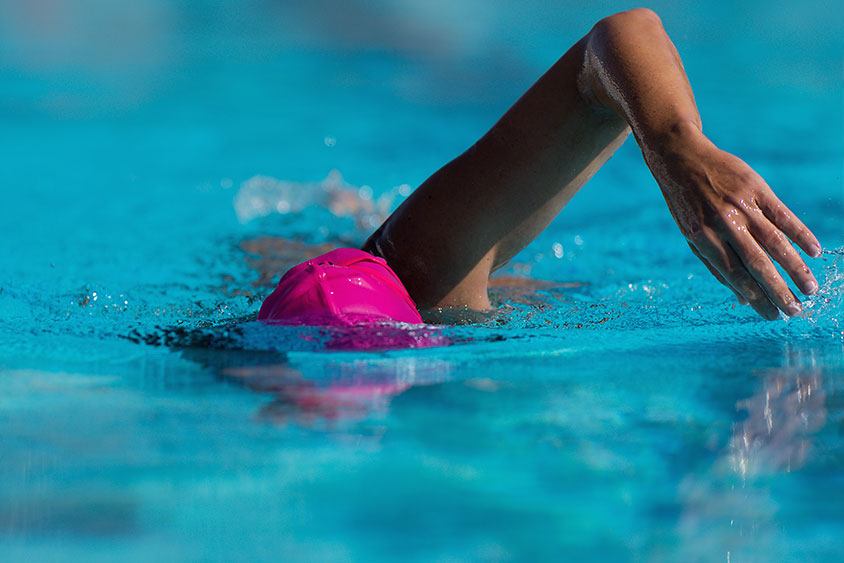
There is something distinctly refreshing about stepping into the water for a workout. The body immediately feels lighter, movement becomes smoother, and exercise shifts from pounding through repetition to moving with rhythm and control. Beneath that ease, swimming quietly calls on nearly every major muscle group to work together.
Why Trust Us?
ACTIVE.com's editorial team relies on the knowledge and experience of fitness and wellness experts, including competitive athletes, coaches, physical therapists, nutritionists, and certified trainers. This helps us ensure that the products we feature are of the highest standard. Collectively, the team has spent countless hours researching equipment, gear, and recovery tools to create the most accurate, authentic content for our readers. Customer satisfaction is also a key part of our review process, which is why we only feature highly rated products.
Swimming combines cardiovascular endurance, muscular strength, coordination, mobility, and breath control into one full-body workout. Because the water supports the body while also providing constant resistance, it challenges the body in a way that feels both effective and restorative. During National Fitness Month, swimming stands out as a form of exercise that builds strength and endurance while leaving the body feeling energized rather than worn down.
Beneath the calming rhythm of the water, the body is constantly working to coordinate strength, stability, and movement from head to toe.
Swimming Works Nearly Every Major Muscle Group
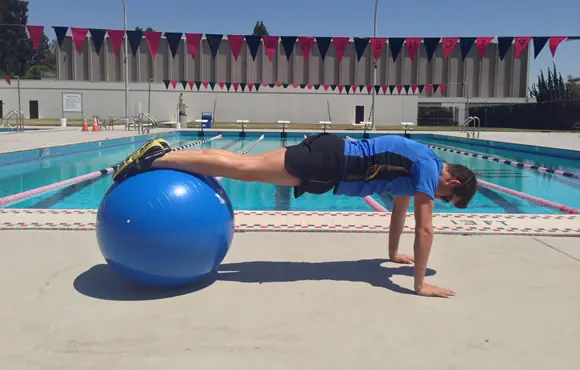
Rather than isolating the upper or lower body, swimming requires the entire body to work together to move efficiently through the water. The arms, legs, and core must stay coordinated to keep the body balanced at the surface and moving forward with control.
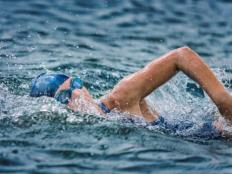
The back, shoulders, chest, and arms help pull the body forward, while the glutes, hips, and legs generate propulsion through kicking. The core plays a major role helping to stabilize the spine and control rotation during strokes like freestyle and backstroke.
Even short swim sessions can build muscular endurance because the body stays under constant tension against the water’s resistance. Done regularly, this full-body effort can improve strength, coordination, posture, and overall body awareness both in and out of the pool.
It Builds Cardiovascular Endurance Without Heavy Impact
Swimming is an effective way to improve cardiovascular endurance while placing far less stress on the joints than many other workouts. The heart and lungs work continuously to supply oxygen to the body during each lap, helping improve stamina, circulation, and overall cardiovascular health. At the same time, the buoyancy of the water helps reduce impact on the knees, hips, ankles, and spine. This makes swimming a highly desirable option for people recovering from injuries, older adults, runners seeking cross-training, or anyone seeking a lower-impact exercise. The combination of cardiovascular work and full-body resistance can also help develop lean muscle throughout the body.
Swimming Can Be Adapted for Nearly Any Fitness Level
Another reason swimming stands out is its versatility. Swim sessions can be adjusted to suit different fitness levels, goals, and physical needs while still providing a meaningful challenge.
Beginners may start with shorter laps, walking in the pool, or using a kickboard for extra support while building lower-body endurance. People recovering from injury can still move against the water’s resistance without overloading any one area. More experienced swimmers can increase intensity through interval training, stroke variations, or tools like buoys and paddles to place greater emphasis on the upper body and core.
Different strokes challenge the body in different ways. Freestyle builds endurance and coordination, breaststroke emphasizes timing and hip mobility, and backstroke encourages postural strength and shoulder control. Because swimming can be easily modified, it supports continued progress in strength, cardiovascular fitness, and mobility through different stages of life, training, and recovery.
The water also provides immediate feedback, making swimmers more aware of tension, balance, breathing patterns, and the efficiency of their movement through each stroke.
Swimming Improves Mobility and Body Awareness
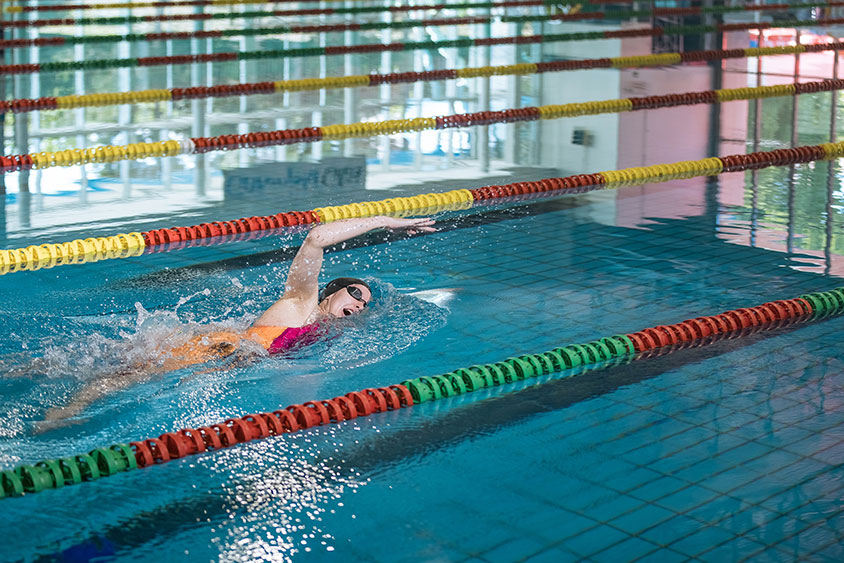
Swimming requires the body to move through a wide range of motion while maintaining coordination and control. The repetitive rhythm of each stroke improves mobility through the shoulders, spine, hips, and ankles while reinforcing the balance between movement and stability. Because motion in the water is slower and more controlled than in many other workouts, swimmers can become more aware of posture, alignment, breathing, and areas of unnecessary tension.
Small changes in technique can immediately affect how efficiently the body moves through the water. Becoming more aware of these details can improve movement patterns both in and out of the pool, supporting better posture, coordination, and overall efficiency in daily activities and other forms of exercise.
Swimming Can Provide a Mental Reset
Beyond the many physical benefits, swimming can also have a calming and restorative effect on the mind. The steady rhythm of breathing, repetitive movement, and feeling of being immersed in water can create a sense of focus that helps quiet outside distractions. Br/>
Unlike faster-paced workouts filled with constant stimulation, swimming encourages a more controlled pace and a stronger connection between breath and movement. That connection can feel life-giving, leaving the body refreshed, renewed, and re-energized after a session. Combined with swimming’s low-impact sustainability, this sense of reset makes it an excellent choice for long-term health and wellness.
Swimming is one of the few workouts that can build strength, cardiovascular endurance, mobility, coordination, and lean muscle all at once while still feeling refreshing and restorative. Its low-impact nature and versatility make it accessible for a wide range of fitness levels, from beginners to experienced athletes.
During National Fitness Month, swimming serves as a reminder that sometimes the best workouts are those that challenge the body, support recovery, and leave both mind and body feeling stronger afterward.
About the Author

Kristina Duffy is a Pilates Instructor and movement specialist who helps active individuals return to pain-free movement after injury, pregnancy, or prolonged time away from sport. Working with a wide range of bodies and experience levels, she specializes in core rehabilitation, strength restoration, and sustainable training practices that support long-term performance and pain-free living. Kristina’s approach emphasizes building body awareness, reducing fear around movement, and building confident strength so clients can live and perform at their best.
Get ACTIVE on the Go


Meet Mobile
Swim smarter: heats, lane assignments and real-time results in the palm of your hand.
Available for iOS | Android



Discuss This Article