If you’re just starting with triathlon, you can be competitive with just the basic gear. If you stick to the basic, must-have tri equipment, you can enjoy training and racing without the stress of a gear arms race.
You can train for and compete in your first multisport race without breaking the bank, and use the same gear for seasons to come. While swim gear is rather specific to swimming, a road bike and running shoes can serve you well outside of race-specific prep.
Why Trust Us?
ACTIVE.com's editorial team relies on the knowledge and experience of fitness and wellness experts, including competitive athletes, coaches, physical therapists, nutritionists, and certified trainers. This helps us ensure that the products we feature are of the highest standard. Collectively, the team has spent countless hours researching equipment, gear, and recovery tools to create the most accurate, authentic content for our readers. Customer satisfaction is also a key part of our review process, which is why we only feature highly rated products.
 Credit: Greg Kaplan
 Basic triathlon gear for multiple sports
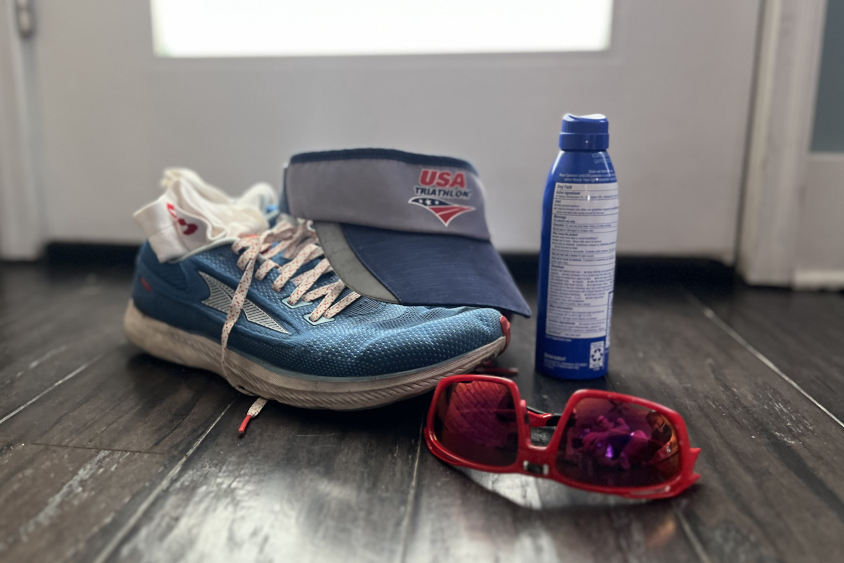
Protect your eyes when you’re on the bike or out for a run with sports sunglasses. Wind, airborne pollen, debris, and even bugs can ruin a ride or a run. Plus, some sunglass lenses can highlight road imperfections and obstacles that could trip you up or cause you to take a tumble.
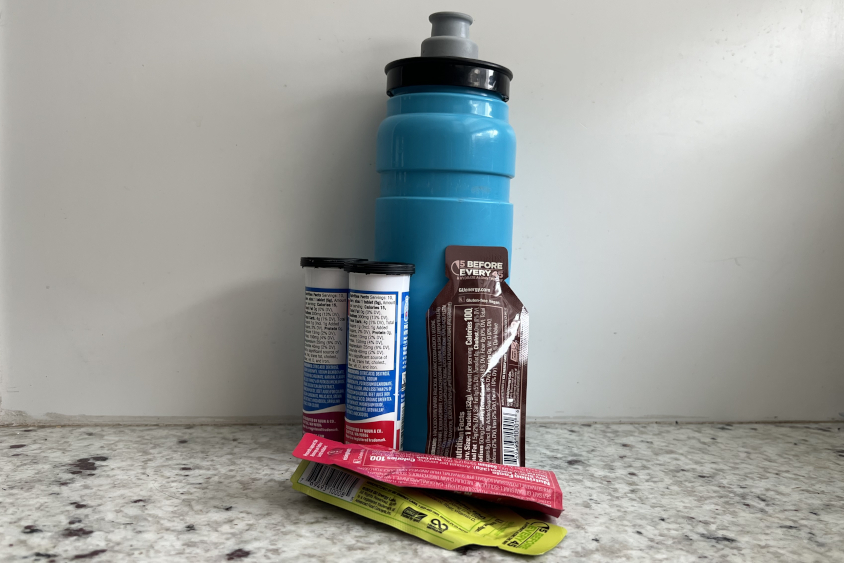
You’ll want to have ready access to electrolyte solution and a supply of carbohydrate nutrition supplements for training and racing. The electrolytes should help prevent dehydration-related cramping, while the carbs will fuel your effort.
We recommend an anti-chafe balm to keep you in the saddle longer. You’ll also want it to prevent raw spots around your neck when wearing a wetsuit, around your armpits, and more. Also, we think sunscreen is a must. Choose a sport sunblock that’s meant to be water- and sweat-resistant. If it’s spray-on, keep it away from your swim goggles, bike helmet, sunglasses, and any electronics—this type will quickly degrade your gear.
 Credit: Courtesy DelMo Sports
 Swim gear basics
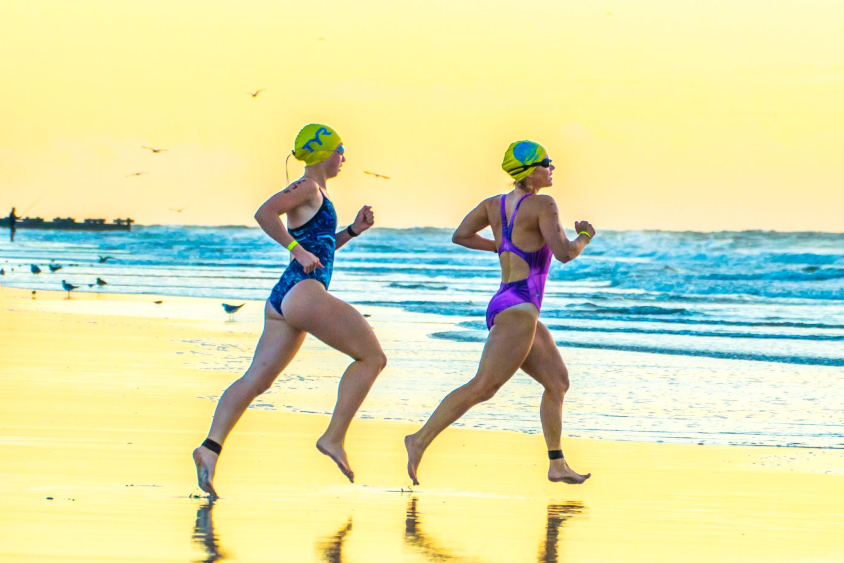
For those who don’t come from a swim background, you’ll want to spend time in the pool preparing for performing—not just surviving—the swim. We suggest having at least two swimsuits, so you’ll never have to put on a damp or smelly suit before a training session. If you primarily swim in a pool, opt for a suit that is claimed to be chlorine-resistant.
Swim caps will keep you warm when swimming in cold water and keep your hair out of your face. Since you’ll have to wear a cap on race day, we suggest practicing with one. Have an extra cap on hand just in case your primary cap rips—not uncommon—while putting it on.
You’ll also need comfortable swim goggles that fit your face. If you swim outside, we strongly recommend mirrored or tinted lenses to allow you to sight without being blinded by the sun.
If your race is early-season or an ocean swim in cold water, consider getting a triathlon-specific wetsuit. Not only does a wetsuit offer excellent insulation against cold water, but it also makes you much more buoyant, so you're much faster. If you don’t want to commit to this purchase, try borrowing or renting one before race day to practice swimming in it and shedding it in T1.
 Credit: Greg Kaplan
 Bike gear for triathlon
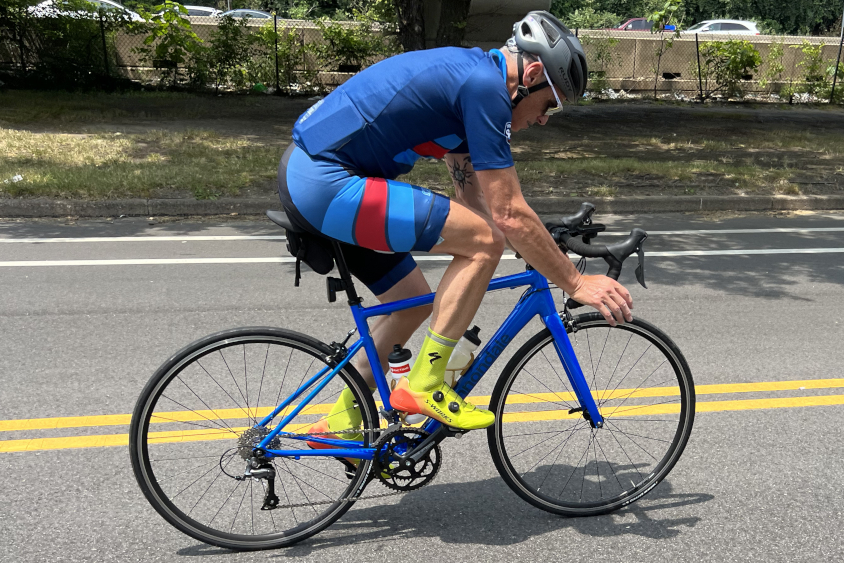
We strongly recommend getting a bike fit before you go bike shopping. Your bike fitter will not only recommend the best affordable bike in the correct size, but they can also make the necessary adjustments to the saddle and handlebar positions so you can ride more comfortably for longer while training and racing.
You’ll also need to budget for a high-quality bike helmet that offers plenty of ventilation—if your head feels too hot, you’ll be a lot more likely to overheat while riding. Account for buying a few water bottles and cages that fit on your bike, as well as a saddle pack to store spare tubes, tire levers (or a tubeless tire plug kit), and CO2 inflators. You’ll also want a floor pump to top off tires before every ride.
If you really want to get the most out of your effort on the bike, consider clipless pedals and a set of bike shoes. This connection to your bike will facilitate efficient energy transfer from you to it throughout the entire pedal stroke, especially when climbing.
Since you’re going to spend a lot of time on the bike, we cannot recommend investing in quality cycling bib shorts and a comfortable form-fitting cycling jersey. Bibs provide superior comfort as they stay put while in a riding position. Most triathletes don’t change kit on race day; you may want to opt for a tri-specific suit with a quick-drying, thin chamois pad, zip-top, and maybe small pockets to hold a few gels.
 Credit: Greg Kaplan
 Basic run gear for triathlon
Find a pair of new running shoes that match your running style and predicted mileage. Older, worn-out trainers offer less protection from injury, so consider getting a fresh pair of kicks. While not offering any performance advantage, a comfortable pair of sport socks may allow you to run more frequently, faster, and longer without hot spots, blisters, or discomfort.
When shopping for sports bras, consider quick-dry options to keep you from chafing while running and cycling, and they can also be worn under a swimsuit or triathlon suit.
A running singlet—a fancy term for a running-specific tank top—made of a high-tech, breathable, sweat-wicking textile is great for training. A tech tee should offer some protection from sun exposure. Running shorts, while not a must-have, are cut to provide anti-chafe freedom during runs.
And a running hat or visor will keep you protected from the sun, so you’ll stay a little cooler for longer.
 Credit: Courtesy Garmin
 Extra gear that could improve training and racing
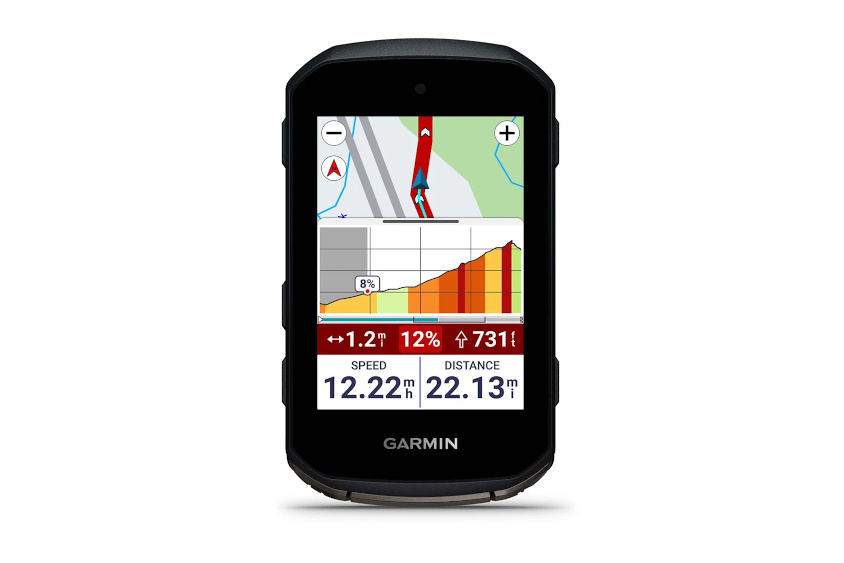
Whether you want to compete or just complete your first triathlon, you can get a lot of daily use from a performance-oriented sports watch in the pool, on the bike, running, and for general daily use. Many wearables track all-day activity, rest, and recovery, and offer some of the same features and functions as bike computers.
If you care about data quality, consider a heart rate monitor chest strap to pair with a sports watch and/or bike computer. While nearly all wearables offer wrist-based optical heart rate monitoring, chest strap data is still the gold standard.Triathlon essential gear checklist
- Swim suit
- Cap
- Goggles
- Road bike
- Helmet
- Sunglasses
- Cycling/triathlon top and bottom
- Cycling shoes
- Water bottles and cages
- Tire/tube repair kit
- Floor pump
- Running shoes and socks
- Running top
- Sports bra
- Running shorts
About the Author

Get ACTIVE on the Go

Couch to 5K®
The best way to get new runners off the couch and across the finish line of their first 5K.
Available for iOS | Android



Discuss This Article