
Spring Training Plans for Your First 5k
Spring is the perfect time to sign up for your first 5k. The weather is cooperating, races are popping up everywhere, and there's something about the season that makes people want to get moving. If you've been thinking about it, this is your sign to stop thinking and start training.
This article gives you everything you need to get to the start line of your first 5k feeling prepared, including a simple 12-week training plan that works whether you've never run a step in your life or you can already jog a little but have never actually raced.
Why Trust Us?
ACTIVE.com's editorial team relies on the knowledge and experience of fitness and wellness experts, including competitive athletes, coaches, physical therapists, nutritionists, and certified trainers. This helps us ensure that the products we feature are of the highest standard. Collectively, the team has spent countless hours researching equipment, gear, and recovery tools to create the most accurate, authentic content for our readers. Customer satisfaction is also a key part of our review process, which is why we only feature highly rated products.
How Long Is a 5k?
A 5k is 3.1 miles (5 kilometers). For most beginners, that takes somewhere between 30 and 45 minutes to complete, though finishing times vary widely depending on age, fitness background, and how much training you've done. The good news: at the beginner level, finishing is the goal, not the time on the clock.
What Gear Do You Need?
You don't need much, but two things genuinely matter:
Proper running shoes. Visit a running specialty store and get fitted properly. The right shoe for your foot type and gait makes a real difference in both comfort and injury prevention. Don't train in old cross-trainers or casual sneakers.
A heart rate monitor (not required but helpful). A chest strap or wrist-based heart rate monitor is one of the most useful training tools a beginner runner can have. Most of your training runs should be done at a low, conversational intensity, and heart rate is the most reliable way to make sure you're actually going easy enough.
The Most Important Training Principle: Go Easy More Often Than You Think
The biggest mistake beginner runners make is running too hard on their easy days. It feels productive to push, but running at a moderate-hard effort all the time leads to fatigue, stalled progress, and injury, not improvement.
The correct approach is simple: about 80% of your running should be genuinely easy. That means you could hold a full conversation without gasping. If you're using a heart rate monitor, for most people, this is roughly Zone 1 or 2: a heart rate below 140–150 beats per minute.
The remaining 20% of your training, your interval and tempo runs, is where you push harder and build speed.
If your easy runs feel embarrassingly slow at first, that's completely normal. Stick with it. Your aerobic fitness will build quickly, and your easy pace will improve over time.
Who Is This Plan For?
This 12-week plan is designed for two types of runners:
- Complete beginners who are just starting to run and need to build from scratch
- Casual runners who can jog a little but have never followed a structured training plan or entered a race
If you genuinely cannot run at all yet, start with a run/walk approach in the early weeks, alternating 1 to 2 minutes of jogging with 1 to 2 minutes of walking. The plan below accommodates this.
If you can already run continuously for 20 to 30 minutes, you'll find the early weeks feel easy. That's intentional, use them to build consistency and good habits before the training gets harder.
Your 12-Week Beginner 5k Training Plan
This plan has you running three days per week. That's enough to build real fitness while giving your body adequate time to recover between sessions. Each week includes:
- One interval or faster run, this builds speed and top-end fitness
- One easy or tempo run, this builds endurance at a moderate effort
- One long, easy run, this is the most important session of the week
A note on effort: easy runs should feel easy. You should be able to speak in full sentences. Interval runs should feel hard; you're working at close to your limit for short bursts. Tempo runs sit in the middle, comfortably uncomfortable, sustainable for 20–30 minutes.
Weeks 1–3: Build the Base
The first three weeks are about getting your body used to running consistently. Don't worry about pace. Focus on completing each session, keeping your easy runs genuinely easy, and finishing each week feeling like you could have done a little more.
Each week looks like this:
- Tuesday: Easy run, 20 to 30 minutes. Keep your heart rate low and your effort conversational. Walk breaks are completely fine if needed.
- Thursday: Easy run with short pickups, 25-35 minutes. After 10 minutes of easy running, add 4-6 x 30-second pickups at a faster effort with 90 seconds easy jogging between each.
- Sunday: Long easy run, 30–40 minutes. Slow and steady. This is not a workout; it's time on your feet.
Weeks 4–6: Add Structure
You're now comfortable running three days a week. Now it’s time to add a little more structure and start building your ability to run faster.
Each week looks like this:
- Tuesday: Interval run, 35–50 minutes. After a 10-minute warm-up, run 6–8 x 400 meters (one lap of a standard track) at a hard effort, about as fast as you could sustain for a mile. Take 90 seconds of easy jogging between each. Cool down for 10 minutes.
- Thursday: Tempo run, 30–45 minutes. After a 10-minute warm-up, run 15–20 minutes at a "comfortably hard" pace, faster than easy, but not all-out. Cool down for 10 minutes.
- Sunday: Long easy run, 40–50 minutes. Keep it easy and conversational throughout.
Weeks 7–9: Build Toward Race Pace
This is where the training gets purposeful. You're now running closer to the pace and effort you'll use on race day.
Each week looks like this:
- Tuesday: Interval run, 45–60 minutes. After a 10-minute warm-up, run 5–6 x 800 meters (two laps of a track) at your goal 5k pace, the pace you hope to run on race day. Take 2 minutes of easy jogging between each. Cool down for 10 minutes.
- Thursday: Tempo run, 40–55 minutes. After a 10-minute warm-up, run 25 minutes at tempo effort. Cool down for 10 minutes.
- Sunday: Long easy run, 50–60 minutes. Easy effort throughout. If you want, finish the last 5 minutes slightly faster to practice finishing strong.
Weeks 10–11: Peak and Polish
Two final hard weeks before you taper. Your fitness is built; these sessions reinforce it.
Each week looks like this:
- Tuesday: Interval run, 50–65 minutes. After a 10-minute warm-up, run 4 x 1 kilometer at goal 5k pace with 2 minutes easy jogging between each. Cool down for 10 minutes.
- Thursday: Tempo run, 45–55 minutes. After a 10-minute warm-up, run 30 minutes at tempo effort. Cool down for 10 minutes.
- Sunday: Long easy run, 55–65 minutes. Keep it relaxed and easy.
Week 12: Taper and Race
The week before your race, training volume drops significantly. This is intentional; your body needs to flush out accumulated fatigue so you arrive at the start line fresh and ready to run your best.
- Tuesday: Easy run with pickups, 25–30 minutes. Include 4 x 30-second faster efforts to keep your legs feeling sharp. Nothing hard.
- Thursday: Very easy run, 20 minutes. Shake out the legs, nothing more.
- Saturday: Rest. Stay off your feet as much as possible.
- Sunday: Race day. Trust your training and enjoy it.

Rest and Recovery
Rest days are not optional; they're where your fitness actually gets built. Training breaks your body down. Rest is what rebuilds it, making it stronger.
A few things that will help your recovery:
- Sleep 7–8 hours per night.
- Take your rest days seriously.
- Every third or fourth week will feel slightly lighter, that's by design, not a mistake.
- Don't make up missed sessions. If you miss a run, just move on to the next scheduled workout.
Race Week Tips
- Don't try anything new, no new foods, new shoes, or new gear on race day
- Arrive early and get a short warm-up jog in before the start
- Start slower than you think you should. The first kilometer of a 5k feels easy, and it's tempting to go out too fast. Don't. You'll pay for it in the final kilometer.
- Walk breaks during the race are completely fine; many runners finish faster by taking short strategic walk breaks than by trying to run the whole thing and slowing to a crawl at the end.
Wrap-Up
A 5k is a fantastic first race goal, achievable enough to be realistic, challenging enough to be genuinely rewarding. Twelve weeks of consistent, smart training is all it takes to go from wherever you are right now to crossing that finish line.
The most important things: show up consistently, keep your easy runs easy, and don't skip your Sunday long run. Do those three things for 12 weeks, and race day will take care of itself.
About the Author
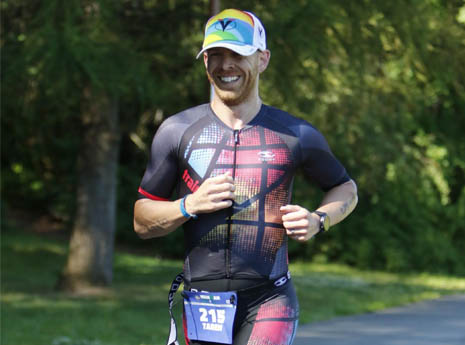
Taren Gesell was a leading global voice in triathlon, publishing the Triathlon Foundations book series and hosting the world’s largest triathlon podcast. He is a former world-ranked triathlete, record-setting marathon swimmer, and founder of the voice-AI training app MOTTIV.
Get ACTIVE on the Go


Couch to 5K®
The best way to get new runners off the couch and across the finish line of their first 5K.
Available for iOS | Android




Discuss This Article