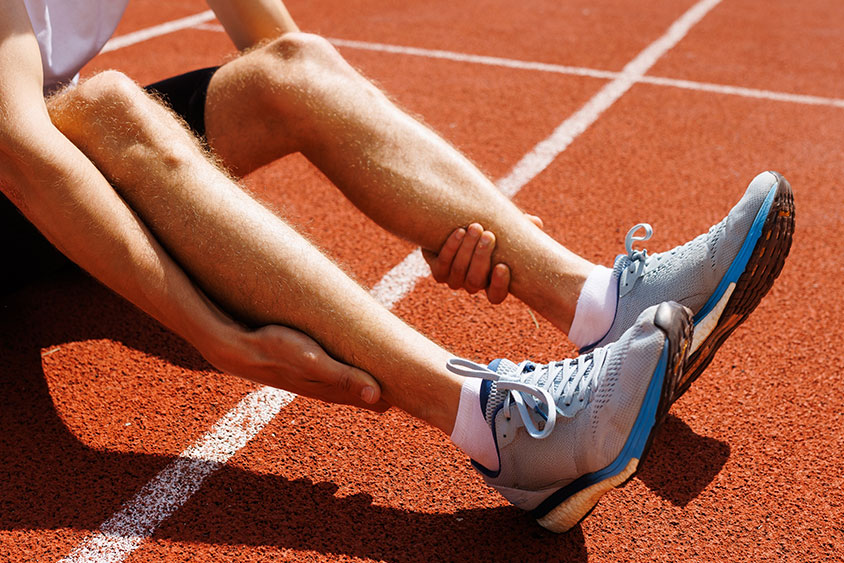
Running can seem like a simple sport – lace up your shoes and head out the door. Put on some music or a podcast, set your watch, and go. But the simplicity quickly fades. Muscles, ligaments, tendons, joints, and bones must all work together to handle each stride and impact with the ground. The mechanics happening inside the body are anything but simple.
Why Trust Us?
ACTIVE.com's editorial team relies on the knowledge and experience of fitness and wellness experts, including competitive athletes, coaches, physical therapists, nutritionists, and certified trainers. This helps us ensure that the products we feature are of the highest standard. Collectively, the team has spent countless hours researching equipment, gear, and recovery tools to create the most accurate, authentic content for our readers. Customer satisfaction is also a key part of our review process, which is why we only feature highly rated products.
When the body is not prepared for the load of running, pain and injuries can begin to show up. Many of the most common running injuries come from repetitive stress combined with poor load management, mobility restrictions, or strength deficits. Research on running injuries shows that most develop gradually as repetitive stress accumulates faster than the body can adapt.
Here are some of the most common running injuries runners experience – and how to prevent them.
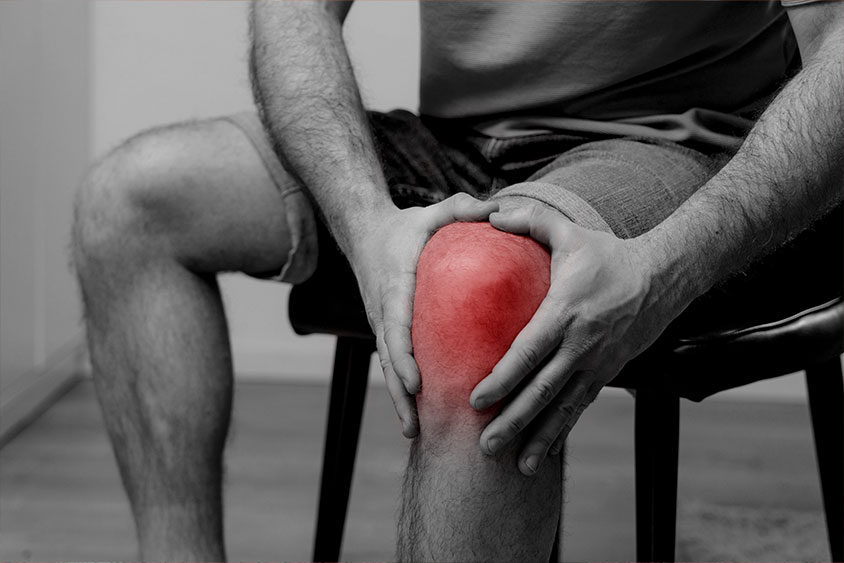
Runner’s Knee (Patellofemoral Pain Syndrome)
What it is and why it happens:
Runner’s knee typically presents as pain around or behind the kneecap. It often develops when the knee joint experiences repetitive stress without enough support from surrounding muscles. Weak hip stabilizers, poor kneecap tracking, and sudden increases in running volume can all contribute.How to prevent it:
- Strengthen the glutes and hips
- Train single-leg stability
- Foam-roll the quadriceps and outer thigh to reduce excess tension around the knee
- Improve running form and cadence
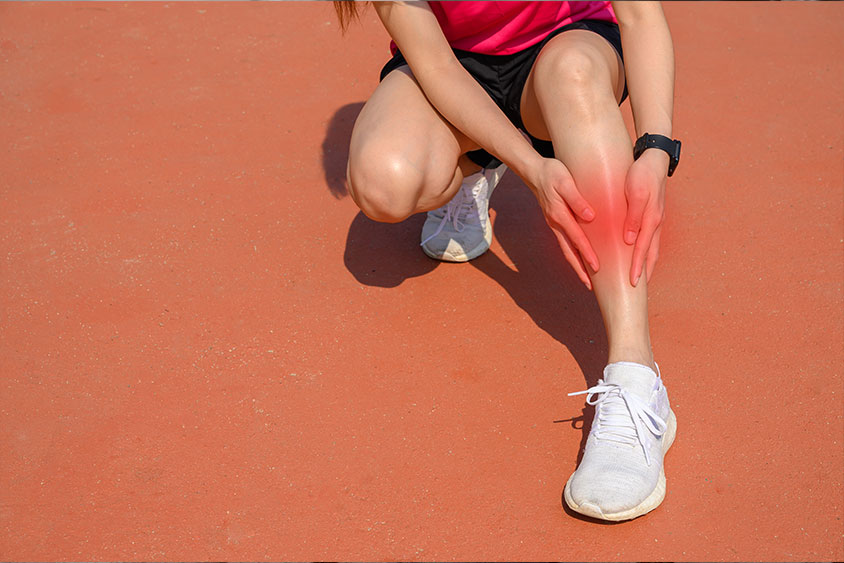
Shin Splints
What it is and why it happens:
Shin splints cause aching pain along the inner edge of the shinbone. They are commonly associated with sudden increases in training load, especially when the muscles that support the lower leg are not yet strong enough to absorb repeated impact.
How to prevent it:
- Strengthen the calves and foot muscles
- Include rest and recovery days
- Rotate running surfaces when possible
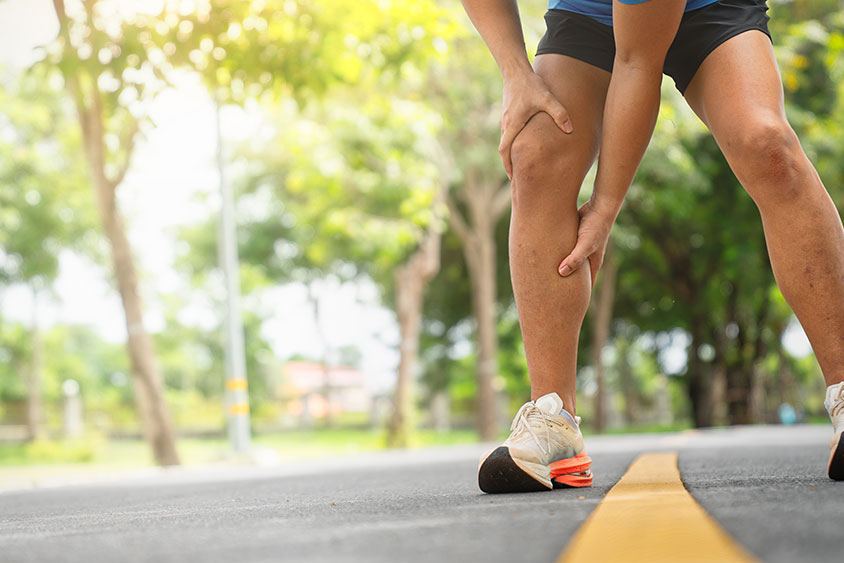
Calf Strain
What it is and why it happens:
A calf strain occurs when the muscles in the back of the lower leg, most commonly the gastrocnemius or soleus, become overstretched or overloaded. Runners may feel a sudden pull or sharp pain in the calf during a run or experience persistent tightness that worsens when pushing off. Calf strains often develop when training intensity increases too quickly, especially when training on hills, doing speed work, or running longer distances. Limited ankle mobility or weak calf endurance can also place extra stress on the muscles.
How to prevent it:
- Strengthen the calves with both straight leg and bent knee heel raises
- Improve ankle mobility to allow efficient stride mechanics
- Progress speed and hill training, slowly
Achilles Tendinopathy
What it is and why it happens:
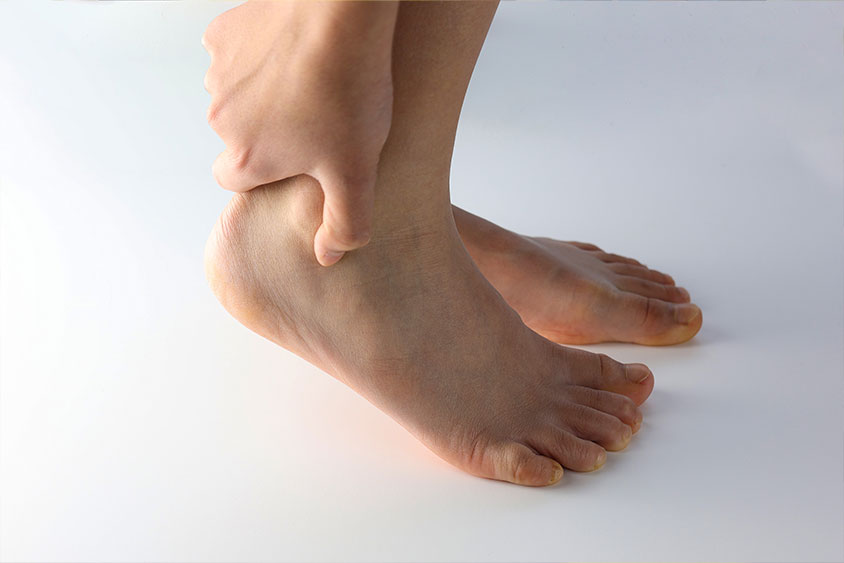
Achilles tendinopathy affects the large tendon that connects the calf muscle to the heel. Runners often feel stiffness or pain in the back of the ankle, especially during the first few steps in the morning or at the beginning of a run. This injury commonly develops when the Achilles tendon is exposed to increased training loads without adequate strength or recovery. Sudden increases in mileage, speed work, or hill running can all place additional stress on the tendon.
How to prevent it:
- Strengthen the calf muscles with controlled heel raises
- Avoid sudden increases in hill or speed training
- Incorporate rest and recovery days into training
- Perform low-impact activities like swimming and cycling to reduce repetitive stress
Plantar Fasciitis
What it is and why it happens:
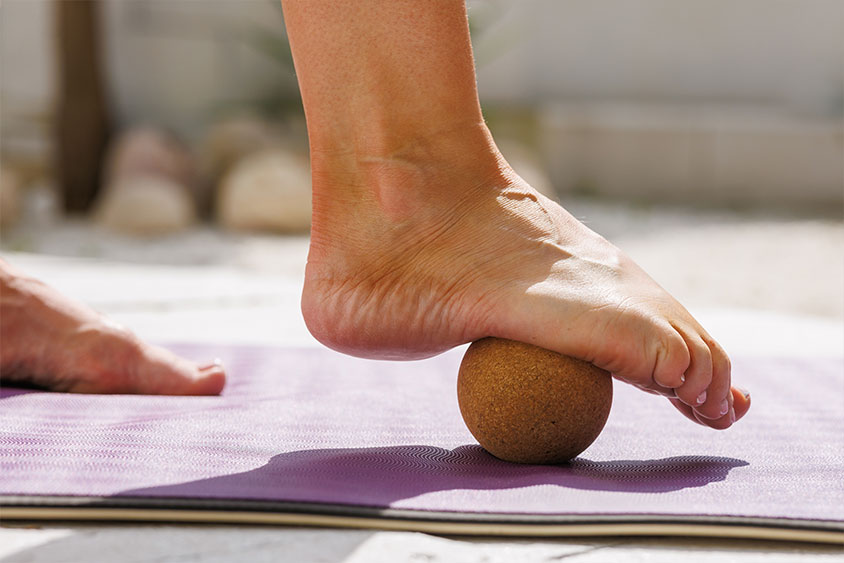
Plantar Fasciitis causes pain along the bottom of the heel or arch of the foot. Most runners notice the discomfort most during the first steps out of bed in the morning. The plantar fascia helps support the arch and absorb impact while running. When the tissue becomes overloaded, irritation and inflammation can develop.
How to prevent it:
- Strengthen the foot and calf muscles
- Maintain ankle and calf muscle mobility
- Foam-roll the calves and gently massage the bottom of the foot (can be done with a yoga tune-up ball) to reduce tissue tension
- Avoid sudden increases in running intensity
Stress Fractures
What it is and why it happens:
Stress fractures are small cracks in the bone caused by repetitive loading over time. In runners, they most commonly occur in the metatarsal bones of the foot or the tibia in the lower leg. Unlike muscle soreness, stress fracture pain often becomes more localized and worsens with continued impact. These injuries typically develop when training volume increases faster than the body can adapt.
How to prevent it:
- Incorporate strength training and low-impact exercises to support impact absorption
- Prioritize adequate recovery and nutrition
- Pay attention to persistent or localized pain during running
Additional Strategies to Help Prevent Running Injuries
Choose appropriate footwear
Running shoes play an important role in how forces are distributed through the body. Shoes that fit well and provide appropriate support can help reduce excessive stress on the feet, ankles, and knees. Also, be mindful of shoe wear over time as cushioning and support break down with mileage.
Pay attention to early warning signs
One of the most powerful injury-prevention tools runners have is simply paying attention to their bodies. Listen to new aches, unusual stiffness, or pain that appears during or after a run. It can be the earliest signal that something is being overloaded. Addressing small issues early by adjusting training, improving mobility, and incorporating recovery or other light-weight exercise can often prevent a minor irritation from developing into a more serious injury.
Preventing running injuries isn’t only about getting stronger; running places dynamic demands on the body that require strength, mobility, coordination, and elasticity to work together. Muscles must be able to lengthen, shorten, and absorb force efficiently with every step. This means developing not only strength, but also mobility and control through a full range of motion.
When muscles become overly tight or lack elasticity, they may struggle to absorb impact effectively. Over time, this excess tension can shift stress to tendons, joints, or bones, increasing the risk of injury. Training that includes mobility work, controlled strength exercises, and gradual exposure to running loads helps create a more resilient system. Techniques like foam rolling can help reduce excessive muscle tension and improve mobility before or after running.
Running may appear simple from the outside, but inside the body, it is managing thousands of coordinated movements with every step. When strength, mobility, and recovery are in place, those miles can become sustainable and enjoyable. By building capacity gradually and paying attention to the body’s early signals, runners can reduce their risk of injury and continue doing what they love, enjoying the miles ahead.
About the Author

Kristina Duffy is a Pilates Instructor and movement specialist who helps active individuals return to pain-free movement after injury, pregnancy, or prolonged time away from sport. Working with a wide range of bodies and experience levels, she specializes in core rehabilitation, strength restoration, and sustainable training practices that support long-term performance and pain-free living. Kristina’s approach emphasizes building body awareness, reducing fear around movement, and building confident strength so clients can live and perform at their best.
Get ACTIVE on the Go


Couch to 5K®
The best way to get new runners off the couch and across the finish line of their first 5K.
Available for iOS | Android




Discuss This Article