
The long run is the cornerstone of nearly every endurance training plan; it's where the biggest fitness gains are built. But here's the truth most runners learn the hard way: those gains only stick if you recover well from the effort.
Knowing how to recover after a long run is what separates athletes who steadily improve week after week from those who spend days wiped out, sore, and fighting to get back to normal.
Why Trust Us?
ACTIVE.com's editorial team relies on the knowledge and experience of fitness and wellness experts, including competitive athletes, coaches, physical therapists, nutritionists, and certified trainers. This helps us ensure that the products we feature are of the highest standard. Collectively, the team has spent countless hours researching equipment, gear, and recovery tools to create the most accurate, authentic content for our readers. Customer satisfaction is also a key part of our review process, which is why we only feature highly rated products.
We're experts at helping age-group endurance athletes train and recover smart, and this guide will walk you through the entire recovery process so every long run leaves you stronger for the next one, not buried by it. You can reach your endurance race goals, and great recovery is how you get there.
Why Post-Run Recovery Matters After Your Long Runs
Here's the key mindset shift: the long run is the stimulus, but recovery is what turns that stimulus into fitness. Your body doesn't get fitter during the run itself; it gets fitter afterward, as it works to repair and rebuild what the run broke down. Skip or shortchange your post-run recovery, and you leave that adaptation on the table.
The long run is the stimulus, but recovery is what turns that stimulus into fitness
What Happens to Your Body During Long Runs
A long run puts your body through a lot. During those miles, several things are happening beneath the surface:
- Glycogen depletion: your muscles burn through their stored carbohydrate fuel, draining your glycogen stores
- Muscle fiber damage: repeated impact creates tiny microtears in your muscles, which is why muscle soreness shows up later
- Fluid and electrolyte loss: you sweat out water and key minerals, disrupting your fluid balance
- Inflammation: a normal response to the effort, but it's what leaves your legs feeling stiff and heavy
- Cumulative fatigue: the deeper tiredness that builds across a hard training week
How Good Recovery Helps You Bounce Back and Recover Faster
Proper recovery is what lets you bounce back sooner and actually absorb the work you just did. When you refuel, rehydrate, and rest correctly, your body repairs the microtears, refills its energy tanks, and comes back a little stronger — the process coaches call "adapt and grow stronger."
Recover well, and you'll show up to your next workout fresh instead of flat. That consistency — stringing together quality training days without breaking down — is the real secret to building endurance. The best recovery isn't a single perfect workout or a magic product; it's about managing your overall training stress so you stay healthy and keep improving.
What to Do Immediately After a Long Run
The first 30 to 60 minutes after you finish is your highest-leverage window. What you do here sets the tone for how quickly you'll recover after a run, so make these minutes count.
Cool Down and Ease Out of the Effort
Don't slam on the brakes the second your watch beeps. Ease out of the effort with these steps:
- Keep moving; walk for 2 to 5 minutes to let your heart rate come down gradually
- Avoid stopping cold; abruptly sitting or lying down can leave you dizzy and stiff
- Change into dry clothes; getting comfortable helps you settle into recovery mode
- Do some foam rolling or trigger-point ball therapy to work out any niggles that have built up during the long run
The point of a cooldown is simple: it promotes blood flow, eases you back toward resting, and helps reduce soreness in the hours ahead.
Rehydrate and Replace Your Electrolytes
You've lost significant fluid and minerals through sweat, so rehydration is priority number one. Water alone isn't always enough after a long effort; you need to replace what you sweated out.
- Start drinking right away; water is essential to restoring your fluid balance
- Add electrolytes; replace lost sodium, potassium, and magnesium with an electrolyte drink or tablet
- Consider sports drinks; they cover fluids, electrolyte needs, and some quick carbs at once
- Drink to thirst, plus a bit extra; sip steadily through the rest of the day rather than chugging all at once
For a deeper dive into fueling your fluids on the run itself, see this guide on how to stay hydrated during the long run.
Refuel: Carbs and Protein to Replenish Your Body
Your muscles are primed to soak up nutrients right after a long run, so aim to eat a meal or snack ideally within 30 to 60 minutes of finishing. The goal is a combination of carbs and protein: carbohydrates to replenish glycogen stores and protein that supports muscle repair.
Quick, easy options that work well as a post-run meal or recovery meal:
- A smoothie: blend fruit, milk or yogurt, and a scoop of protein for a fast, drinkable option
- Chocolate milk, a classic for its near-perfect carb-to-protein ratio
- Greek yogurt with fruit and granola, easy on the stomach and rich in both nutrients
- Eggs and toast, simple complex carbs plus quality protein
- A recovery shake, convenient when you don't feel like eating solid food yet
Looking for more ideas? Check out these post-run drinks to fuel fast recovery.
Post-Run Recovery Nutrition: How to Refuel the Right Way
What you eat over the hours after your long run matters just as much as that first snack. Dialing in your nutrition is one of the fastest ways to speed up recovery and be ready for your next run.
The Best Carbs to Replenish Glycogen
Carbohydrate is your body's primary fuel, and refilling your tank is essential. Focus on quality carbohydrate sources to replenish glycogen stores:
- Rice and grains, reliable, easy-to-digest complex carbs
- Potatoes and sweet potatoes, nutrient-dense and satisfying
- Oats, great for a next-morning refuel
- Fruit, bananas, berries, and dates add quick carbs plus potassium
- Whole-grain bread or pasta, steady, slow-release energy
How Much Protein You Need to Recover After a Run
Protein is what your body uses to repair and rebuild the muscle fibers damaged during your run. A good practical target is roughly 20 to 40 grams in your post-workout meal, with the rest of your protein spread across your other meals that day.
Quick Tip
Solid protein sources include:
- Eggs, versatile and complete
- Chicken, fish, or lean meat, dense, high-quality protein
- Greek yogurt or cottage cheese, easy to eat when appetite is low
- Beans, lentils, and tofu, great plant-based options
- Protein powder, a convenient way to hit your target in a smoothie
Hydration and Electrolyte Strategies for Runners
Hydration doesn't end with that first glass of water. Rebuilding your fluid balance happens across the whole day. Keep these rules of thumb in mind:
- Drink to thirst, plus a little extra, especially after long or hot efforts where dehydration risk is higher
- Replace electrolytes, not just water; sodium, potassium, and magnesium all matter for proper muscle function
- Check your urine; pale yellow means you're on track
- Spread it out, steady sipping beats forcing down huge volumes at once
- Don't overdo plain water; too much without electrolytes can dilute your system
If you have specific concerns about your fueling, a sports dietitian can help you tailor a plan to your body and goals. For a full breakdown of your options, this hydration for runners guide covers what to drink and when.

Active Recovery and Mobility After Long Runs
For most runners, gentle movement beats total couch potato time. Staying lightly active keeps blood circulating to your muscles, which helps clear fatigue and reduce inflammation. The key word is gentle; this is about promoting recovery, not adding training stress.
Foam Rolling and Myofascial Release
Foam rolling is a form of myofascial release that can ease tight, sore muscles and improve your range of motion. Applying gentle pressure to your muscles helps improve circulation and relieve tension.
Tips for effective foam rolling:
- Target the big muscle groups; roll your quads, hamstrings, calves, and glutes
- Go slow, spend about 30 to 60 seconds per area, easing into tender spots
- Keep it gentle; mild discomfort is fine, sharp pain is not
- Breathe and relax, don't hold your breath or tense up as you roll
For a full routine, try these 10 self-myofascial release exercises for runners.
Stretching and Gentle Movement
Light stretching and easy movement help you stay loose and mobile. Save deep, aggressive stretching for later; right after a run, keep it easy.
- Do gentle static stretches; hold light stretches for your hamstrings, quads, and calves
- Move through your full range of motion; easy leg swings and mobility drills keep joints supple
- Take a relaxed walk, the simplest way to keep the legs moving
- Listen to your body, ease off anything that feels sharp or forced
Rest, Sleep, and Letting Your Body Bounce Back
Rest isn't lazy, it's where the real magic happens. All the refueling and rolling in the world won't help if you don't give your body genuine downtime to repair itself.
Why Sleep Is the Ultimate Run Recovery Tool
Sleep is the single most powerful recovery tool you have. It's during deep sleep that your body releases growth hormone, repairs microtears, and consolidates the fitness adaptations from your training. No supplement or gadget comes close, as this look at the role of sleep in athletic recovery explains in more detail.
To get the most from your sleep:
- Prioritize 7 to 9 hours, more if you're training hard
- Keep a consistent schedule; regular sleep and wake times improve quality
- Wind down before bed, dim lights and cut screens to fall asleep faster
- Nap when you can, even 20 minutes can support muscle recovery on a big training day
Curious how your habits stack up? See how much sleep runners actually need.
How Many Rest Days You Need After Long Runs
Here's something that surprises a lot of runners: unlike recovering from an all-out race, you usually don't need a full rest day after a long run. Instead, make your next workout intentionally easier, a mobility or strength session, an easy cross-training day, or a short, easy recovery run if your legs feel good.
- Beginners may need more genuine rest as their bodies adapt
- Experienced runners can often absorb long runs with just an easy day to follow
- After an unusually active day, hours of yard work or physical labor on top of your run, take an even lighter day or a full recovery day
- Always listen to your body; persistent fatigue or soreness is a sign to back off
Recovery Tips to Help You Recover Faster
Let's pull it together into some simple, actionable recovery tips you can use after every long run to recover faster and feel better sooner.
Do's and Don'ts for Post-Run Recovery
Do:
- Refuel promptly, eat a snack or meal with carbs and protein within 30 minutes of finishing
- Rehydrate with electrolytes, restore your fluid balance through the day
- Stay gently active, light movement promotes blood flow and helps reduce soreness
- Prioritize sleep, protect your most important recovery tool
- Run your long runs easy; the best recovery starts during the run
Don't:
- Don't skip the refuel window, waiting hours slows your recovery
- Don't overtrain the easy days; hard efforts back-to-back dig a fatigue hole
- Don't turn the rest of the day into a workout; heavy chores can delay recovery
- Don't ignore hydration, under-drinking prolongs soreness and fatigue
- Don't do absolutely nothing, total inactivity can leave you stiffer, not fresher
Quick Tip
Common Recovery Mistakes Runners Make
Even seasoned runners fall into these traps:
- Running long runs too fast, the number-one mistake; easy pace is what allows quick recovery
- Skipping the post-run refuel, missing the window to replenish glycogen stores
- Under-hydrating, ignoring electrolyte and fluid needs
- Going too hard on easy days, turning recovery days into secret workouts and risking overuse injuries
- Neglecting sleep, undercutting the body's prime repair time
- Doing too much or too little; the sweet spot is gentle movement, not extremes
If soreness or fatigue keeps lingering, it may be worth reviewing these steps to prevent running overuse injuries.
Recovering well from your long runs isn't complicated, but it does require intention. Remember the essentials: recovery is when your fitness actually gets built, so treat it as part of your training. Nail the first 30 to 60 minutes with fluids, electrolytes, and a post-run meal of carbs and protein. Refuel smartly through the day to replenish glycogen stores and repair and rebuild muscle. Stay gently active with foam rolling, mobility, and active recovery, and, above all, protect your sleep and schedule an easier day before your next hard session.
Do these things consistently and you'll recover faster, bounce back stronger, and keep building fitness week after week. With the right approach, your endurance and race goals are absolutely within reach.
Frequently Asked Questions
How long does it take to recover after a long run?
For most runners, the worst of the fatigue and muscle soreness fades within 24 to 48 hours, especially if you fuel, hydrate, and stay lightly active. If you ran your long run at an easy effort, you may feel close to normal by the next run. Deep soreness lasting several days usually means the run was too hard or recovery was neglected.
What should I eat to recover after a run?
Aim for a recovery meal or snack that combines carbs and protein, ideally within 30 to 60 minutes of finishing. The carbs replenish glycogen stores while protein supports muscle repair. A smoothie, chocolate milk, Greek yogurt with fruit, or eggs and toast are all excellent, easy choices.
Should I foam roll after every long run?
Foam rolling can be a helpful part of your recovery routine; it eases tight muscles and improves range of motion, but it's not mandatory after every run. Use it when your quads, hamstrings, or calves feel tight, and keep the pressure gentle. It's a nice tool, not a requirement.
Is active recovery or complete rest better after long runs?
For most runners, active recovery wins out over complete inactivity. Gentle movement like walking, an easy swim, or an easy spin promotes blood flow and helps reduce soreness more effectively than lying on the couch all day. That said, if you're deeply fatigued or had an unusually active day, a full rest day is perfectly fine.
How do I recover faster after a long run?
Speed up recovery by running your long runs at the right easy intensity, refueling promptly, rehydrating with electrolytes, staying gently active, and prioritizing sleep. There's no single magic trick; it's the combination of smart habits that helps you bounce back fastest.
About the Author
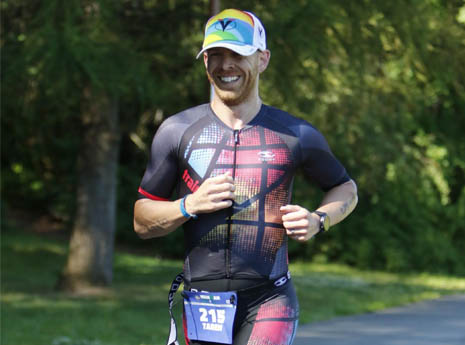
Taren Gesell was a leading global voice in triathlon, publishing the Triathlon Foundations book series and hosting the world’s largest triathlon podcast. He is a former world-ranked triathlete, record-setting marathon swimmer, and founder of the voice-AI training app MOTTIV.
Get ACTIVE on the Go


Couch to 5K®
The best way to get new runners off the couch and across the finish line of their first 5K.
Available for iOS | Android




Discuss This Article