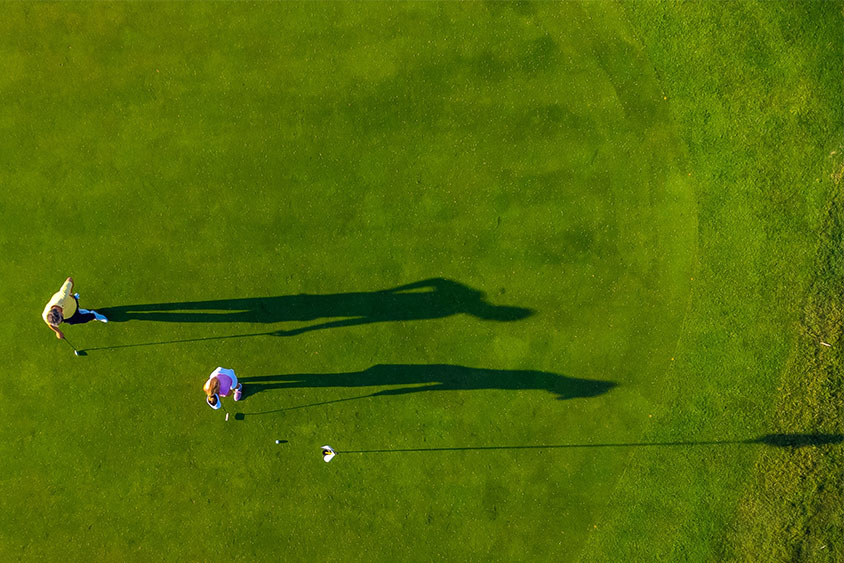
A day on the golf course can be more physically demanding than many people realize. Hours of walking, repetitive swings, uneven terrain, prolonged standing, bending to tee up balls, and rotational force through the body can leave golfers feeling stiff, fatigued, and sore by the end of the round. While many golfers focus heavily on improving their swing or lowering their score, recovery is just as important for long-term performance and staying pain-free.
Why Trust Us?
ACTIVE.com's editorial team relies on the knowledge and experience of fitness and wellness experts, including competitive athletes, coaches, physical therapists, nutritionists, and certified trainers. This helps us ensure that the products we feature are of the highest standard. Collectively, the team has spent countless hours researching equipment, gear, and recovery tools to create the most accurate, authentic content for our readers. Customer satisfaction is also a key part of our review process, which is why we only feature highly rated products.
The way you care for your body after a long day on the course can influence how you feel the next morning and how well you continue to move throughout the season. Recovery does not have to be complicated. Simple recovery habits can make a big difference in restoring mobility, easing strain, and helping you stay in the game.
Rehydrate and Refuel
One of the most overlooked recovery tools after a round of golf is proper hydration and nutrition. Even in mild weather, spending several hours outdoors can lead to dehydration. Loss of fluids and electrolytes can contribute to fatigue, muscle tightness, cramping, headaches, and reduced recovery the following day.
Start by replenishing fluids shortly after finishing your round. If you were golfing in the heat or sweating heavily, adding electrolytes can help restore what the body lost throughout the day.
Pair hydration with a balanced meal or snack that includes both protein and carbohydrates. Protein supports muscle recovery, while carbohydrates help restore energy levels after several hours of activity. Something as simple as water, electrolytes, and a nourishing meal can make a noticeable difference in how your body feels the next morning.
Restore Mobility Instead of Becoming Sedentary
Following a long day of walking and swinging, light movement is often more helpful than becoming immediately sedentary. A short mobility routine can help reduce stiffness, improve circulation, and restore movement to areas that tend to tighten during a long day on the course. Focus on areas that commonly become restricted in golfers, including the hips, thoracic spine, calves, feet, and shoulders.
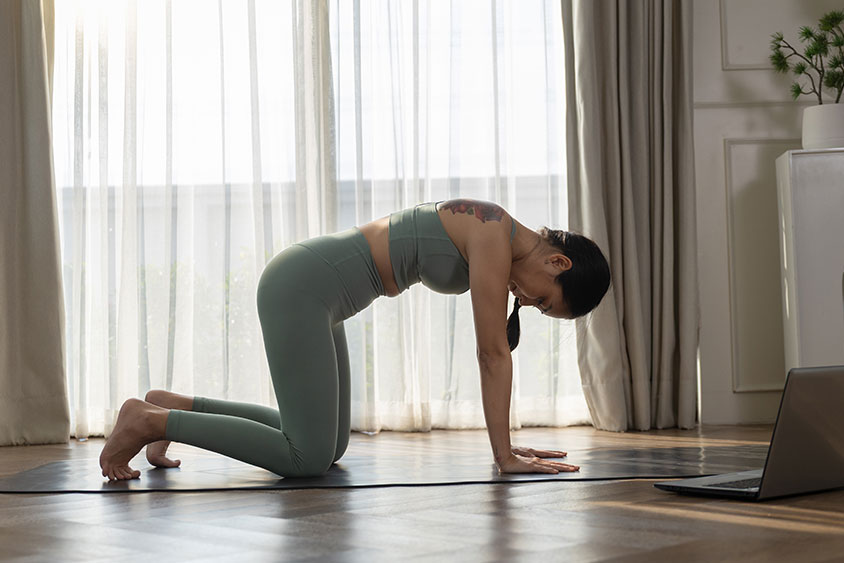
A few simple movements could include:
- Open book rotation for the back – Lie on your side with knees bent and arms extended in front of you. Slowly rotate your top arm outward toward the opposite side, allowing the upper back to rotate.
- Elevated cat stretches for spinal mobility – Place your hands on a bench or countertop and gently round and extend through the spine to restore mobility and movement awareness.
- Hip flexor stretches with an overhead reach – Step in a half kneeling lunge position and gently shift forward while reaching the same-side arm overhead to open the front of the hip and torso.
- Calf stretches against a wall – Place both hands on a wall and step one foot back, pressing the heel into the ground to stretch the calf.
- Rolling the bottom of the feet with a massage ball – slowly roll the bottom of the foot over a massage ball or golf ball to help reduce tension and improve foot mobility.
The goal is not an intense workout. Gentle, consistent movement can help the body recover more efficiently and improve how you feel the following day.
Use Recovery Tools Strategically
Recovery tools can be helpful when used appropriately, especially after long or consecutive days on the course. Foam rollers and massage balls can help reduce muscle tension and improve tissue mobility. Percussion massage devices may temporarily relieve tightness in areas like the shoulders, forearms, hips, or calves. Compression socks or boots may also help support circulation after prolonged walking. Heat therapy, acupressure mats, and warm or contrast showers can also help the body relax and reduce stiffness.
Recovery tools work best when they support the fundamentals of recovery rather than replace them. Mobility work, hydration, nutrition, and quality sleep still play the biggest role in helping the body recover well.
Prioritize Sleep and Nervous System Recovery
Golf places demands on both the body and the mind. In addition to the physical workload, a long day on the course requires focus, coordination, balance, and decision-making. Sleep is one of the most powerful recovery tools available. Quality sleep supports tissue repair, energy restoration, muscle recovery, and overall performance. It can also help calm the nervous system after a long day of physical and mental stimulation.
Creating a simple evening recovery routine, such as light stretching, reducing screen time, staying hydrated, or taking a short walk after dinner, can help the body transition into a more restful state before bed.
Pay Attention to Lingering Pain
It is normal to experience some fatigue or mild stiffness after a long day on the course, especially after increased play or walking a challenging course. However, recurring pain should not be ignored. Persistent low back discomfort, elbow pain, shoulder irritation, hip tightness, or foot pain may indicate underlying mobility restrictions, strength imbalances, overuse, or swing mechanics that need attention.
Recovery should generally help the body feel better within a day or two. If pain recurs after golfing, it may be worth addressing the issue before it becomes more significant. Listening to the body early often helps golfers stay healthier and continue playing consistently long term.
Often, the best recovery plan is a simple one you can stick with consistently. Rehydrating, restoring mobility, prioritizing sleep, and paying attention to how the body feels can help golfers recover more effectively after long days on the course. Taking care of the body between rounds not only helps reduce soreness and stiffness but also supports better movement, improved longevity, and more enjoyment on the course for years to come.
About the Author

Kristina Duffy is a Pilates Instructor and movement specialist who helps active individuals return to pain-free movement after injury, pregnancy, or prolonged time away from sport. Working with a wide range of bodies and experience levels, she specializes in core rehabilitation, strength restoration, and sustainable training practices that support long-term performance and pain-free living. Kristina’s approach emphasizes building body awareness, reducing fear around movement, and building confident strength so clients can live and perform at their best.
Get ACTIVE on the Go


Couch to 5K®
The best way to get new runners off the couch and across the finish line of their first 5K.
Available for iOS | Android





Discuss This Article