
Staying motivated for winter training is one of the toughest challenges endurance athletes face. Shorter days, colder temperatures, and busy school schedules during the winter months can make it tempting to stay on the couch instead of getting your workout in. But with the proper setup, you can stay motivated, protect your fitness, and keep moving forward.
Living up in "Winterpeg" (Winnipeg), Canada, I understand what it’s like to train through cold weather. My goal is to help you stay consistent and reach your fitness goals, even when motivation feels low.
Why Trust Us?
ACTIVE.com's editorial team relies on the knowledge and experience of fitness and wellness experts, including competitive athletes, coaches, physical therapists, nutritionists, and certified trainers. This helps us ensure that the products we feature are of the highest standard. Collectively, the team has spent countless hours researching equipment, gear, and recovery tools to create the most accurate, authentic content for our readers. Customer satisfaction is also a key part of our review process, which is why we only feature highly rated products.
Key Takeaways
- How to stay motivated during the winter months
- Simple ways to beat training boredom
- How to stay accountable to your goals
- Tips to make winter training more enjoyable
- How to train for your sport in cold months
- Ways to keep your motivation high
- How to stay consistent with your routine
- How to protect your fitness through winter
Follow a Structured Winter Workout Plan to Stay Motivated
One of the best ways to motivate yourself in winter is to follow a simple, structured plan. Many athletes take the winter off from organized training, but without a clear plan telling you what to do each day, it becomes much harder to stay consistent.
Deciding what workout to do on your own uses up mental energy, and over time, that makes it harder to maintain motivation. When a plan is already in place, you remove the daily decision-making and make it easier just to show up and train.
A winter plan does not need to be intense or focused on peak performance. In fact, a lighter, base-building program is often ideal for the winter months. The goal is to maintain fitness, build consistency, and keep your routine simple. When you know your workout ahead of time, you avoid overthinking, reduce stress, and stay more motivated through the cold months.
Following a structured plan helps you:
- You always know exactly what your workout is, so you do not waste mental energy deciding what to do.
- A consistent schedule turns training into a routine instead of a daily motivation battle.
- Base-focused workouts feel more purposeful and less like drudgery, even when scheduled intentionally.
- Removing daily decision-making reduces stress and makes it easier to show up with all the mental energy you need to execute the workout.
Each of these reduces mental fatigue and makes training feel more manageable. Instead of asking yourself what to do, how hard to go, or whether you should even train at all, you just follow the plan. This keeps your motivation steady, protects your fitness, and makes winter training feel less like a struggle and more like a routine.
Winter Base Training Guidelines for Endurance Athletes
Winter is an ideal time to focus on building a strong aerobic foundation without the pressure of race-specific intensity. The goal is to maintain fitness while allowing both your body and mind to recover from the race season.
Use these simple winter training guidelines:
- Keep most endurance training at a low intensity to build aerobic fitness
- Reduce overall training volume to about half of your peak summer weeks
- If your biggest summer week is around fifteen hours, aim for six to eight hours in winter
- Use short, controlled intervals instead of long, demanding efforts
- Keep interval efforts between fifteen seconds and two minutes
- Follow a one-to-four work-to-rest ratio for interval sessions
- Gradually increase interval length and reduce rest as spring approaches
This approach helps protect your energy levels, maintain your fitness, and makes winter training feel more sustainable and easier to stick with.

Why Winter Is the Best Time to Focus on Strength Training
Winter is also the ideal season to double down on strength training. During race season, many athletes have time for only one strength session per week because most of their energy is devoted to endurance workouts. In the winter, that can change.
This is a great time to increase strength training to two or even three sessions per week. The lower endurance volume gives your body the space to adapt, rebuild, and correct any imbalances that developed during the race season.
Focusing more on strength in the winter helps you:
- Recover from the physical stress of racing
- Fix muscle imbalances
- Build overall strength
- Reduce injury risk
- Start the next season stronger
Just as importantly, it creates a mental shift between seasons. Instead of doing the same type of training all year, winter becomes a time to work on different goals. This variety helps prevent burnout and keeps training fresh and enjoyable.
Set a Winter Goal to Keep Your Motivation High
Goals give winter training a clear sense of purpose. When the weather is cold and motivation is low, having something on your calendar makes it much easier to keep showing up for your workouts.
A goal gives your training direction and helps turn winter sessions into part of a bigger picture instead of something that feels optional or random. Instead of training just to “stay active,” you are training with intent, which makes consistency feel more meaningful.
Your winter race goal doesn't need to be a personal best or a new longest distance. It can be simple and focused on maintaining momentum rather than chasing peak performance. Some practical winter goal ideas include:
- Signing up for a race
- Improving endurance
- Building strength training habits
- Staying injury-free
- Maintaining fitness
Each of these gives your training a reason to exist beyond just checking a box on your schedule.
One of the most powerful winter goals is signing up for an upcoming race. This race does not need to be a personal-best challenge or a major season highlight. In fact, early-season races work best as motivation tools rather than performance goals. Just knowing you have a race coming up gives your training direction and makes your winter workouts feel more purposeful.
Having a race on your calendar helps you avoid skipping workouts, maintain your motivation, and stay focused during the winter months. Instead of training just for the sake of training, you are working toward something specific. That sense of purpose makes it much easier to stay committed when cold weather, darker days, and busy schedules start to test your consistency.
Train With Others to Stay Motivated During the Winter
Social workouts add variety, energy, and accountability to your routine, making winter training more enjoyable and easier to stick with. When other people are involved, your workouts feel less like a chore and more like something to look forward to.
Simple ways to make your training more social include:
- Joining a gym class
- Training with friends
- Using group workouts
- Staying accountable to others
Group training helps you stay consistent, have more fun, reduce boredom, and push through tough days when motivation is low. Whether it’s a gym class, a virtual ride, or a group run, being part of a community makes winter training feel less isolating and more engaging.
Accountability is another significant benefit of training with others. When people expect you to show up, you’re much less likely to skip a workout. Knowing that a friend, coach, or group is counting on you helps you stay committed, avoid excuses, maintain your routine, and protect your long-term fitness goals.

Upgrade Your Winter Workout Setup
Your environment plays a significant role in how motivated you feel to train during the winter. When the weather is cold and daylight is limited, having the right gear and a comfortable setup can make a huge difference. The easier and more enjoyable your workouts feel, the more likely you are to stay consistent through the winter months.
A few simple setup upgrades can remove many of the barriers that make winter training feel harder:
- Warm gear for outdoor sessions
- Indoor bike trainers
- TV or music for motivation
- Swim equipment
- Comfortable workout spaces
- Gloves, hats, and warm layers for cold weather
- A treadmill or bike trainer for indoor workouts
- Pool tools that make swim sessions more fun
Good gear keeps you warm, reduces discomfort, and makes workouts feel more enjoyable. When you are comfortable, have fun tech, and a nice indoor training setup, you rely less on willpower and more on routine, which makes it easier to stay motivated.
Winter training doesn’t have to feel miserable. With the proper structure, goals, social support, and gear, you can stay motivated and protect your fitness through the cold months.
You can achieve your endurance fitness goals—even in winter. Stay consistent, keep it simple, and focus on what you can control. With the right approach, winter can become one of your strongest training seasons.
About the Author
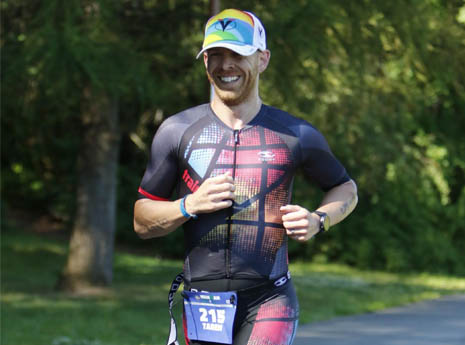
Taren Gesell was a leading global voice in triathlon, publishing the Triathlon Foundations book series and hosting the world’s largest triathlon podcast. He is a former world-ranked triathlete, record-setting marathon swimmer, and founder of the voice-AI training app MOTTIV.
Get ACTIVE on the Go


Couch to 5K®
The best way to get new runners off the couch and across the finish line of their first 5K.
Available for iOS | Android







Discuss This Article