
Amateur athletes spend hours and days building the perfect training regimen. Then they follow that training plan down to the letter for weeks and months on end. They research and invest in the right equipment and the best gear. All of this in an effort to run their 5K a second faster, lift a few more pounds at the squat rack, or ride a few more miles with their Saturday morning cycling group.
Too often, though, all that investment doesn’t actually result in a performance that justifies the effort. Why? Their nutrition is lacking. They’ve built a sports car and are putting less-than-premium gasoline in its engine.
Why Trust Us?
ACTIVE.com's editorial team relies on the knowledge and experience of fitness and wellness experts, including competitive athletes, coaches, physical therapists, nutritionists, and certified trainers. This helps us ensure that the products we feature are of the highest standard. Collectively, the team has spent countless hours researching equipment, gear, and recovery tools to create the most accurate, authentic content for our readers. Customer satisfaction is also a key part of our review process, which is why we only feature highly rated products.
Nutrition isn’t just about avoiding the wrong foods, although that’s part of it. It’s about understanding how food works with the training you’ve been doing and using your diet to fuel your sprint to the finish line.
Understanding Your Fuel Sources
Going back to the sports car analogy, peak performance requires more than just smashing the pedal to the floor. You also have to manage what’s happening under the hood and understand how different foods fuel your body differently.
-
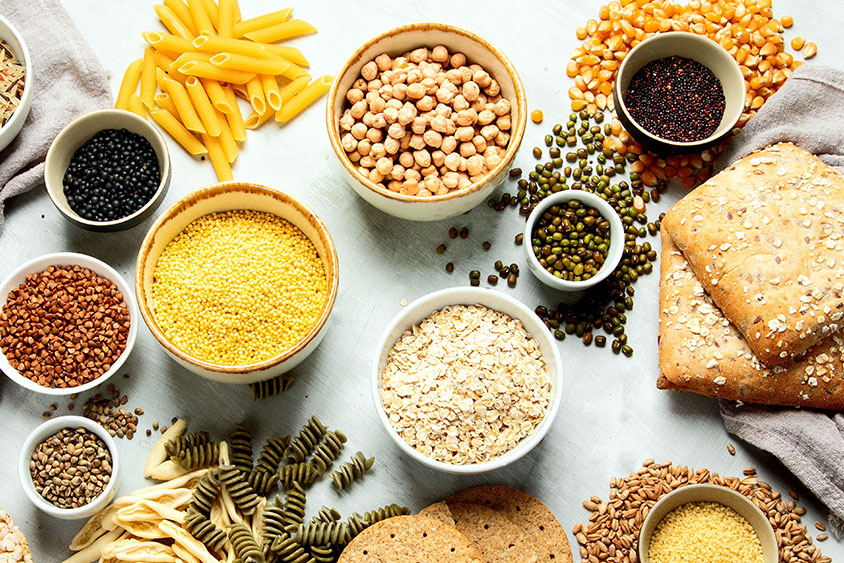
Carbohydrates are your high-octane fuel. - In the wellness world, carbohydrates are often seen as the villain, but for athletes looking for maximum performance, they are anything but. In the middle of a race, a ride, or a workout, when you’re breathing hard and looking for the energy to go a little farther or move a little faster, your body needs carbs. They are the easiest and fastest source of energy for your muscles to grab.
Where can you find carbs? Think starches like oats, rice, potatoes, pasta, and bread. -
Protein is your pit crew. - Protein doesn’t necessarily help provide you with fuel for this race or workout, but it does make the next one a little bit easier. When we exercise, we create microscopic tears in our muscles, and protein provides the amino acids our bodies need to repair them and make them stronger than before.
You get protein from foods like Greek yogurt, eggs, chicken, or lentils. You can even use protein powder in something like a shake to increase your intake. -
Fats are the battery that keeps you moving. - If you’re of a certain age, you may remember that fats were once in the same reputational boat as carbs are today. Now, though, we recognize that fats are the fuel our body uses for endurance. While they may not help you in the middle of a workout, your fat stores are what your body burns during your daily life to absorb vitamins and keep your hormones in check. Just make sure that the fats you’re consuming are from whole foods and not processed or fried foods.
You can find those beneficial fats in things like avocados, nuts, olive oil, and fatty fish like salmon.
Understanding the Importance of Timing
If you’re going to use nutrition to fuel performance, knowing what to eat is important. But equally as important is knowing when to eat it.
- Topping Off Pre-Workout - No crew chief would start a race with a car that’s low on fuel, and you shouldn’t start your race that way either. So top off your tank. If that means you need to eat a full meal, eat something that’s heavy on carbs and lighter on protein a few hours before your workout. It’ll give your stomach time to settle.
- Boost Your Energy Mid-Workout - If your workout or race is going to last more than an hour, you may need a boost. That’s where things like sports drinks and energy gels can help. They’ll give you a quick hit of sugar to help keep your brain focused and muscles firing.
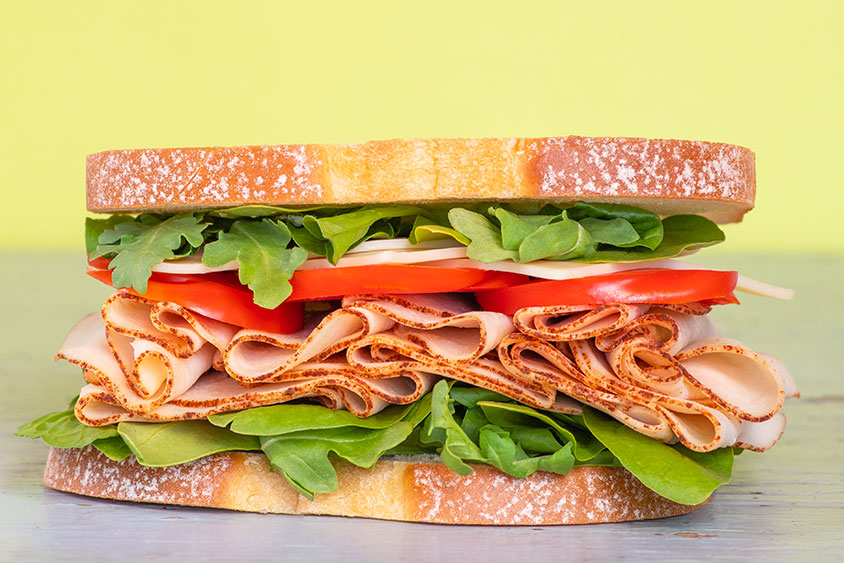
- The Post-Workout Reconstruction - The goal for after-workout nutrition is to refuel and rebuild. So, within an hour or two of working out, eat something like a turkey sandwich. The carbs in the bread will replenish your energy, and the protein from the turkey will give your body what it needs to kick-start the repair process.
Keeping it Realistic
All of this is just advice. It’s not a prescription or a script to follow. If you try to eat perfectly 100% of the time, you’ll burn yourself out mentally and then likely abandon nutrition altogether. Remember: You don’t have to be perfect to be fast.
Follow the 80/20 rule. Eighty percent of the time, eat the foods that will help fuel better performance, things like whole foods, lean proteins, and fruits and vegetables. Then, the other 20% of the time, allow yourself to enjoy life. Have those birthday treats. Celebrate a new personal best with a post-race pizza.
Your Next Move
By thinking of your nutrition as part of your training and preparation regimen, you can use food to power better performance. You don’t need perfection to see results; you just need consistency.
Your body is remarkable. It’s capable of hitting milestones you haven’t even imagined yet; it just needs the right nutrition to get you there. Remember, the race to your next personal best starts on your plate, not at the starting line.
About the Author

Jarrett Rush is a Dallas-based writer who stays active by playing and practicing sports with his kids.
Get ACTIVE on the Go


Couch to 5K®
The best way to get new runners off the couch and across the finish line of their first 5K.
Available for iOS | Android



Discuss This Article