Quick answer: Perfect sports nutrition isn't realistic for most cyclists, and it doesn't need to be. From recovery smoothies to pre-race pizza, real-world fueling choices usually work reasonably well when you understand the job each food is doing. Small tweaks in timing, dosage, or what's missing from the plate are often all that separates a good choice from a great one.
Why Trust Us?
ACTIVE.com's editorial team relies on the knowledge and experience of fitness and wellness experts, including competitive athletes, coaches, physical therapists, nutritionists, and certified trainers. This helps us ensure that the products we feature are of the highest standard. Collectively, the team has spent countless hours researching equipment, gear, and recovery tools to create the most accurate, authentic content for our readers. Customer satisfaction is also a key part of our review process, which is why we only feature highly rated products.
Sports nutrition is a well-researched industry with plenty of products that aim to help you get the best performance. However, if you really followed all the sports nutrition rules and best guidelines, your pre-, during-, and post-ride nutrition would cost a small fortune, including carefully measured portions, beet juice, powders, and pills that would take hours to execute. Outside of being a professional, most athletes do not have the time and money for this. Instead, they take some bits of what social media or headlines offer and apply it to what they like and can do. Here are five real-life situations of what a cyclist consumes and why it might work and might not.
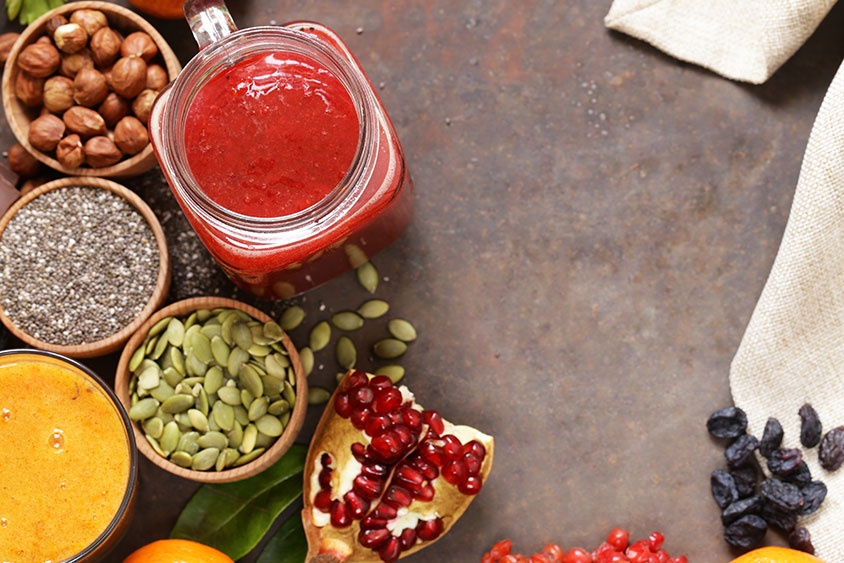
1. The Female Cyclist Who Swears by Her "Superfood" Recovery Smoothie
She finishes a hard group ride, gets home, blends spinach, berries, banana, protein powder, nut butter, maybe some Greek yogurt, and whatever other "superfoods" she has in the refrigerator. She swears the smoothie makes her feel better than anything else.
Why It Might Work
First, liquid calories can be extremely useful after hard training.
A cyclist who has just spent three hours riding hard may not want a large solid meal immediately. A smoothie can provide carbohydrate, protein and fluid without requiring much chewing or appetite.
That matters because recovery is partly a logistics problem.
If the smoothie gets her to consume carbohydrate and protein when she otherwise wouldn't eat, it is doing something valuable.
Rapid glycogen restoration becomes particularly important when another demanding training session is coming within several hours. Sports nutrition guidance commonly recommends aggressive carbohydrate replacement, around 1.2 g/kg/hour when rapid restoration is necessary, with protein also useful as part of the recovery strategy. Banana, berries and other whole foods contribute carbohydrate, vitamins, minerals and fluid, which is not only part of a strong fueling strategy, but a general healthy lifestyle.
Here's the Catch
The smoothie may be too delayed. If she finishes riding at 11:00 a.m., drives home, showers, scrolls, and finally makes the smoothie at 12:30, she has missed the classic recovery window, where the body is most primed to take in nutrients to rebound rapidly. The good nutrition choice has become a logistical bottleneck.
There is also a misconception that more antioxidants automatically equal faster recovery.
Verdict
Keep the smoothie, but make it ahead of time and pack it in an insulated bottle and cooler. Or, pack something else to have immediately and make the smoothie later at home. The lesson isn't "don't drink smoothies." It's don't confuse a healthy food with a complete recovery strategy.
Quick Tip
2. The Male Cyclist Who Drinks Red Bull and Eats Gummy Bears Before a Zwift Race
To a non-athlete, this can look like nutritional chaos. To a Zwift racer, it may look like breakfast. Red Bull provides caffeine and carbohydrate (provided it is not a sugar-free variety), while gummy bears are essentially a convenient delivery system for rapidly available carbohydrate.
Why It Might Work
There is nothing magical about a "sports food." Your expensive sport chew is likely a gummy bear (sugar) with added electrolytes, which is exactly what a hard effort needs. Research has repeatedly demonstrated performance effects from carbohydrate availability, including during cycling. They're essentially fast carbohydrate in a convenient, inexpensive package. This breakdown of carbohydrate fueling for cycling covers the underlying research in more depth.
Caffeine is the best research-supported performance aid in sports nutrition. Research summarized by the International Society of Sports Nutrition finds that caffeine can improve several aspects of exercise performance, with 3 to 6 mg/kg being a commonly effective range, although individual responses vary.
Here's the Catch
That doesn't make gummy bears a foundation for a healthy diet.
A cyclist can have excellent race nutrition and terrible overall nutrition because sports performance and overall health are not necessarily aligned. Gummy bears and energy drinks are not a foundation for a healthy diet. This becomes an issue if these highly processed, low-nutrient foods displace the foods needed to support the rest of the athlete's health: protein, fiber, micronutrients, essential fats, and overall dietary variety. Also, Red Bull does not contain high amounts of caffeine. One 12-ounce can has ~112 mg. If we do the math, that's only 2 mg/kg if the cyclist is 64kg, below the researched effective dose.
Verdict
The important question isn't: "Is this food healthy?"
It's: "What job is this food doing right now?"
Red Bull and gummy bears can be functional race fuel, but do not let them offset a nutritious diet. To get a better edge, the athlete might want to increase the caffeine and sodium (vital performance electrolyte missing from those gummy bears).
The important question isn't: "Is this food healthy?" It's: "What job is this food doing right now?"
3. The Gravel Cyclist Who Eats an Entire Pizza Before a Weekend-Long Ride
A long gravel ride can burn thousands of calories. If someone has difficulty consuming enough food across the day, a pizza is an extremely efficient way to get a lot of energy and carbohydrate.
Why It Might Work
Energy availability matters. You can't train hard indefinitely while chronically under-eating. Cyclists sometimes become so focused on eating "clean" that they accidentally create a massive energy deficit. Low energy availability can impair health, recovery and performance; in female endurance athletes in particular, low energy and carbohydrate availability are recognized concerns under the IOC's consensus framework on the topic. While pizza does provide carbohydrate, it also provides calories, fat, sodium and some protein, making it a balanced meal to fuel both the random sprints and hard efforts and the long haul of a 4+ hour ride.
Here's the Catch
Pizza is often high in fat, fiber, and overall volume. Those characteristics can slow gastric emptying and make the athlete feel physically full or uncomfortable. Make sure to eat early enough before riding to allow for digestion and steer clear of toppings that are too greasy, which can lead to GI distress during the ride. This pre-race nutrition guide for cyclists goes deeper on timing meals ahead of a big effort.
If the cyclist eats the pizza three or four hours before riding and feels fantastic, that's very different from eating an entire pizza 45 minutes before rolling out.
Athlete's Verdict
Pizza can be excellent endurance fuel. The question is whether the athlete can digest the dose and timing. The goal isn't to make the athlete eat like a laboratory subject. It's to make the athlete ride well.
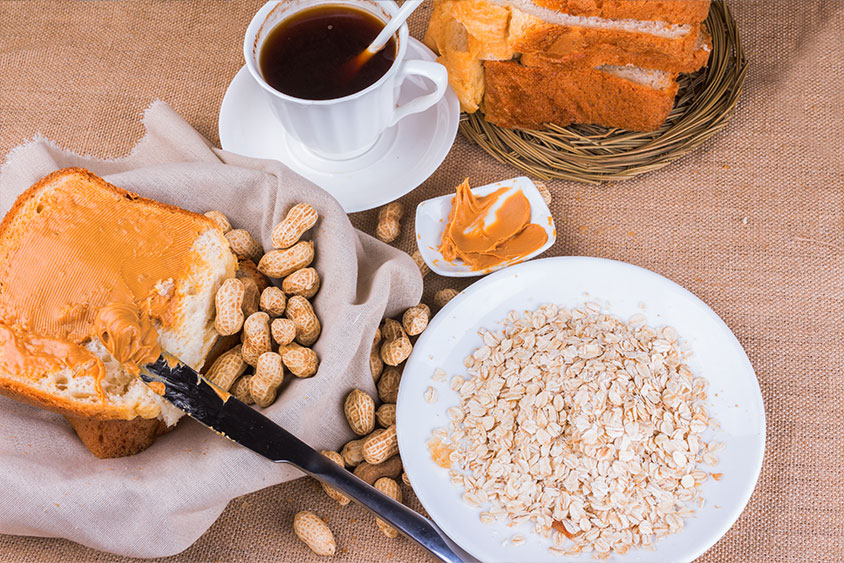
4. The Cyclist Who Eats Instant Oatmeal, Peanut Butter, and Black Coffee Before the Group Ride
From a general-health perspective, this is a perfectly respectable balanced breakfast that provides complex carbohydrates, some protein, healthy fats and caffeine.
Why It Might Work
Oats provide complex carbohydrates that can help replenish muscle glycogen, and the combination of carbohydrate with fat and protein from the nut butter can provide sustained energy. Coffee can also provide a meaningful caffeine dose that is research-supported to improve performance. This meal is also simple, quick to make, and affordable, making it easy to adhere to consistently.
Here's the Catch
Endurance athletes often get caught up in the idea of clean eating being the best option. While healthy is important, these meals rarely are enough to support a body's needs for real performance. A packet of oatmeal with a tablespoon of peanut butter might be nutritionally excellent while still providing nowhere near enough energy or carbohydrate for the workout that follows. A general rule is to consume 1 gram of carbohydrate per kilogram of body weight 1 hour before serious activity. A typical packet of oatmeal contains a mere 20 grams, the same as a standard energy gel. Unless the rider is a small child, this carbohydrate amount is not enough to fuel a body for the day, let alone athletic expenditure.
Verdict
Great foundation, but possibly under-fueled. The fix can be as simple as increasing the volume size, or adding maple syrup, fruit, a glass of juice, or other forms of calories (mainly carbohydrate) to the meal.
5. The Cyclist Who Relies on a Specific Gel During Long Rides
Why It Might Work
There is a reason many endurance athletes rely on sport-specific gels to fuel performance. Gels provide a quick, convenient source of carbohydrate that can help maintain blood glucose and delay fatigue during a long ride. They're easy to carry and consume, making them especially practical when intensity is high and solid food feels difficult to tolerate or too difficult to execute during a group ride. It can also be mentally reassuring to have a tolerated, easy-to-execute strategy to follow.
Here's the Catch
Relying on gels alone can become limiting and problematic. The type of nutrition is limited; gels provide only carbohydrate along with electrolytes depending on the brand. During a long ride, metabolism uses energy from both fat and carbohydrate. Missing out on the fat can lead to excessive hunger and limited endurance stamina. The taste and texture are consistent, which can lead to a phenomenon called "flavor fatigue," where athletes don't want to consume more and bonk. The rigidity can also be an issue. When an athlete is very strict with nutrition, it is easy for things to go wrong with no other acceptable options available.
Verdict
Gels are an effective foundation for fueling, but they shouldn't be the entire strategy, especially for a long ride. A well-planned approach combines sufficient carbohydrates and calories along with fluids, fat, and electrolytes. This athlete would benefit from experimenting with a variety of fuel sources for long-term performance and health.
The Bigger Lesson: Sports Nutrition Is About Context
These five cyclists demonstrate how fueling an activity can be varied and how following the science needs to also work in real life. The everyday athlete needs food that is available, affordable, reliable, digestible, and repeatable. The body needs energy from calories and a high variety of nutrients to function on and off the bike. Do what works for you, but try to make small tweaks to optimize how you can get the most out of your choices to benefit both performance and overall health.
Frequently Asked Questions
Do I need expensive sports nutrition products to fuel my rides well?
No. Everyday foods like smoothies, oatmeal, pizza, and even gummy bears can serve the same fueling purpose as dedicated sports products, since much of what makes "sports food" effective is simply fast-digesting carbohydrate. What matters more is timing, dosage, and whether the food fits your training day.
How much carbohydrate do I need before a ride?
A general guideline is about 1 gram of carbohydrate per kilogram of body weight in the hour before serious activity. A single packet of instant oatmeal, for comparison, only provides about 20 grams, which is often not enough on its own to fully fuel a hard ride.
Is caffeine actually effective for cycling performance?
Yes. Caffeine is one of the most research-supported performance aids in sports nutrition, with the International Society of Sports Nutrition citing 3 to 6 mg/kg as a commonly effective dose. A single 12-ounce can of Red Bull, at roughly 112 mg of caffeine, falls below that effective dose for most riders.
Why is timing important for post-ride recovery nutrition?
Your body is most primed to absorb carbohydrate and protein shortly after finishing a hard effort. Delaying a recovery meal by an hour or more, even a nutritious one, means missing part of that window, which can slow how quickly you rebound for your next session.
Is it bad to rely on energy gels for every long ride?
Relying exclusively on gels isn't ideal for very long rides, since they only provide carbohydrate and electrolytes, not fat, which your body also needs for extended efforts. Gels work well as part of a fueling strategy, but pairing them with other food sources tends to work better over several hours in the saddle.
About the Author





Discuss This Article