Summer training presents unique challenges for endurance athletes, including staying hydrated. While water and sport drink consumption often get the spotlight in solving this issue, nutrition and food choices can play an equally important role in helping athletes stay hydrated, tolerate heat, and maintain performance. Strategic food choices before, during, and after exercise can support hydration, regulate body temperature, replace lost electrolytes, and improve recovery.
Why Trust Us?
ACTIVE.com's editorial team relies on the knowledge and experience of fitness and wellness experts, including competitive athletes, coaches, physical therapists, nutritionists, and certified trainers. This helps us ensure that the products we feature are of the highest standard. Collectively, the team has spent countless hours researching equipment, gear, and recovery tools to create the most accurate, authentic content for our readers. Customer satisfaction is also a key part of our review process, which is why we only feature highly rated products.
Here’s how to use nutrition as part of your heat-management strategy.
Why Heat Changes Your Nutrition Needs
During exercise in hot weather, your body diverts more blood toward the skin to help dissipate heat. At the same time, sweating increases to cool the body through evaporation. These processes lead to:
- Greater fluid losses
- Increased sodium and electrolyte depletion
- Faster glycogen use
- Higher cardiovascular strain
- Increased risk of dehydration and heat-related illness
Even losing as little as 2% of your body weight through sweat can negatively affect endurance performance, concentration, and perceived effort. For a deeper look at how your body manages heat and hydration, see this hydration guide for endurance athletes.
Nutrition can’t eliminate heat stress, but it can help your body adapt to it better.
Prioritize Hydrating Foods
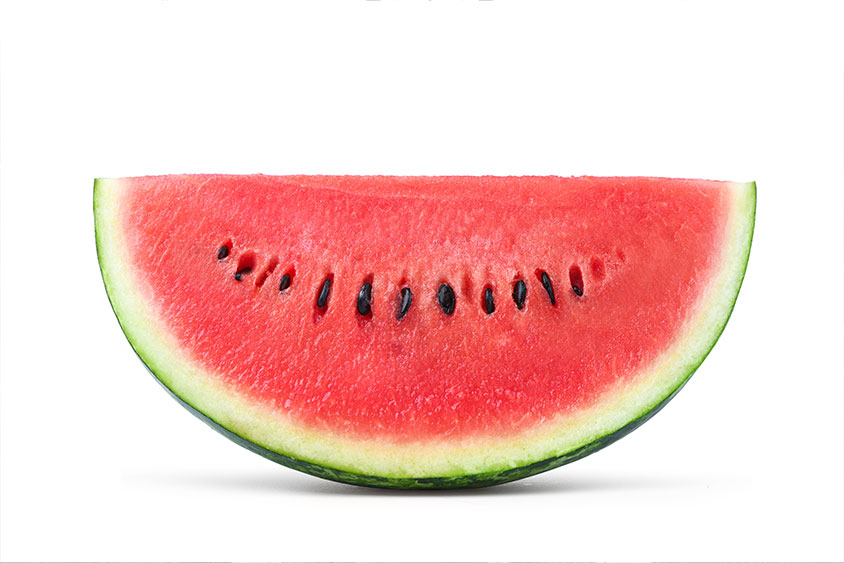
Many athletes focus solely on water bottles, but approximately 20% of daily fluid intake comes from food. Choosing water-rich foods throughout the day can improve hydration before training even begins.
Some excellent options include:
- Watermelon
- Cantaloupe
- Strawberries
- Oranges
- Cucumbers
- Tomatoes
- Celery
- Lettuce
- Zucchini
- Bell peppers
These fruits and vegetables not only provide water but also contain vitamins, antioxidants, and potassium that support fluid balance and recovery.
Smoothies, soups, salsas, and gazpacho can also increase both fluid and nutrient intake.
Don’t Forget Electrolytes
Sweat contains more than just water. Sodium is the primary electrolyte lost during exercise, with potassium, magnesium, and calcium lost in smaller amounts. Replacing sodium is especially important during workouts lasting longer than 60 to 90 minutes or during very hot, humid conditions. While sports drinks or electrolyte beverages may be necessary to replace sodium losses during long, hard summer sessions, many foods can provide an alternative option for electrolyte balance and replacement. A bonus is that eating salty foods typically increases one’s desire to hydrate. For a closer look at electrolyte supplements that can support your summer training, see the electrolytes ACTIVE uses to stay hydrated in 2026.
Good dietary sources include:
- Broth-based soups
- Pickles
- Olives
- Cottage cheese
- Salted nuts
- Whole-grain crackers
- Pretzels
- Jerky
- Amino acids or soy sauce
Potassium-rich foods include:
- Bananas
- Potatoes
- Sweet potatoes
- Avocados
- Yogurt
- Beans
- Coconut water
Eat Foods That Naturally Support Cooling
No food can literally lower your core body temperature, but certain foods are easier to digest, contain more water, and produce less metabolic heat during digestion. Lighter meals often feel more comfortable before training in the heat than heavy, high-fat meals. While cold foods provide a psychological cooling effect, they do not physically lower core body temperature. In fact, eating hot foods might be better for cooling you down in the heat. Consuming hot foods raises the body’s internal temperature and triggers sweating, which is your body’s primary cooling mechanism. Spicy foods have the same sweat-inducing effect. Try meals that combine all these elements to maximize the potential cooling effect from foods: small meals with high water content that are cold but contain a spicy element. A spicy tomato gazpacho might be your go-to summer training meal.
Time Your Carbohydrates Wisely
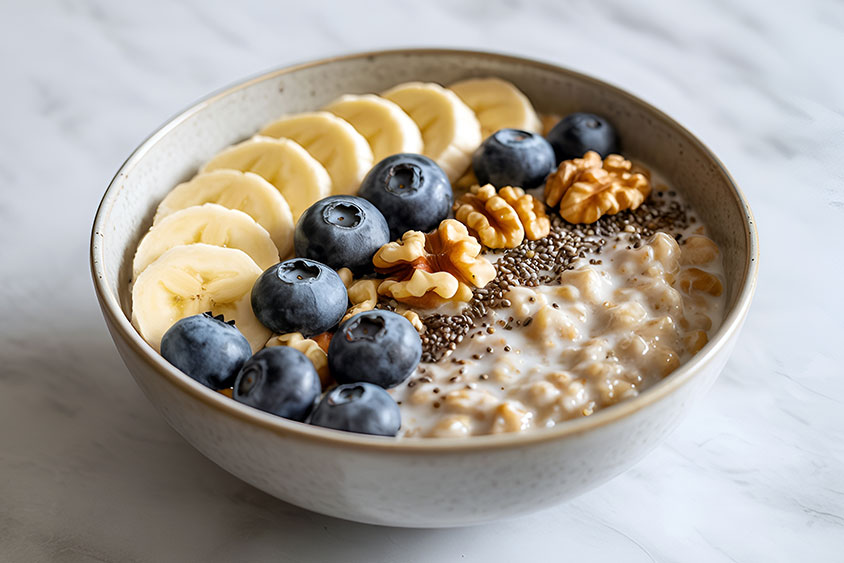
Heat increases carbohydrate utilization during endurance exercise. Starting a workout with full glycogen stores becomes even more important on hot days. Two to four hours before training, choose a meal rich in carbohydrates and moderate in protein while keeping fat relatively low.
Examples include:
- Oatmeal with banana
- Rice with teriyaki sauce
- Whole-grain toast with honey and peanut butter
- Pasta with marinara
- Fruit smoothie
For sessions longer than 90 minutes, consume carbohydrates during exercise as needed for your training. This helps delay fatigue and maintain performance despite increased heat stress. For more on fueling around summer training, this guide on proper hydration for summer training covers the full picture.
Eat Plenty of Colorful Produce
Training in hot environments can increase oxidative stress within the body. While antioxidant supplements have shown mixed results, obtaining antioxidants from whole foods supports overall recovery without interfering with training adaptations. Eating the rainbow should mean plenty of whole foods in each meal, not colorful sports gummies.
Aim for a variety of colorful fruits and vegetables, such as:
- Blueberries
- Cherries
- Spinach
- Kale
- Tomatoes
- Bell peppers
- Citrus fruits
These foods provide vitamin C, carotenoids, polyphenols, and other plant compounds that help support recovery after demanding workouts.
Recovery Starts Immediately
Replacing fluids, carbohydrates, protein, and electrolytes after exercise becomes especially important during hot weather. For more detail on what to eat after a hard session, this guide on how to refuel after a hard workout breaks it down by food and fluid.
An ideal recovery meal includes:
- Carbohydrates to replenish glycogen
- Protein to repair muscle
- Fluids to replace sweat losses
- Sodium to improve fluid retention
Great options include:
- Chocolate milk
- Greek yogurt with fruit
- Turkey sandwich with fruit
- Rice bowl with chicken and vegetables
- Smoothie with milk, fruit, protein, and spinach
- Salted corn chips with ceviche
- Gazpacho with quinoa
If possible, weigh yourself before and after long training sessions. Each pound (0.45 kg) lost represents roughly 16 to 24 ounces (475 to 710 mL) of fluid that should be replaced over the next several hours.
Foods to Limit Before Hot Workouts
Certain foods may increase digestive discomfort or make it more difficult to stay hydrated before exercise.
Try to limit immediately before long workouts:
- Large, high-fat meals
- Heavy fried foods
- Excessively spicy meals if they cause stomach upset
- Excess alcohol
- Highly concentrated sugary foods without adequate fluids
Every athlete’s tolerance is different, so practice your nutrition strategy during training rather than trying something new on race day.
The Bottom Line
Hot-weather endurance performance depends on more than simply drinking more water. Building meals around hydrating fruits and vegetables, replacing electrolytes, consuming adequate carbohydrates, consuming light meals, and recovering with balanced nutrition all help your body better handle the physiological demands of exercising in the heat.
By viewing nutrition as part of your overall heat-management plan—not just your fueling strategy—you can stay safer, recover more effectively, and continue performing at your best even when temperatures climb.
Frequently Asked Questions
How does heat affect what I should eat before a workout?
Heat increases carbohydrate utilization and makes digestion harder during exercise, so lighter pre-workout meals work better in summer than heavy, high-fat options. Aim for a carbohydrate-rich meal two to four hours before training, keeping fat and fiber relatively low. Foods like oatmeal with banana, rice with a simple sauce, or whole-grain toast with honey are good choices that fuel well without sitting heavily in your stomach.
What foods help with hydration beyond drinking water?
Roughly 20% of daily fluid intake can come from food. Water-rich fruits and vegetables like watermelon, cucumbers, strawberries, oranges, and zucchini are excellent choices. Smoothies, broth-based soups, and chilled gazpacho also contribute meaningfully to fluid intake and provide electrolytes and nutrients at the same time.
Do I need to eat more sodium when training in the heat?
Sodium is the primary electrolyte lost through sweat, and replacing it becomes especially important during workouts lasting longer than 60 to 90 minutes or in very hot, humid conditions. Salty foods like broth, pickles, olives, salted nuts, and pretzels can help replace losses. An added benefit is that salty foods tend to stimulate thirst, naturally encouraging you to drink more fluids.
Can certain foods help cool my body down during summer training?
No food can directly lower your core body temperature, but some food strategies can support your body’s natural cooling process. Lighter, water-rich meals are easier to digest and produce less metabolic heat. Interestingly, hot and spicy foods can trigger sweating, which is the body’s primary cooling mechanism. A cold, water-rich meal with a spicy element — like a chilled spicy tomato gazpacho — combines both approaches.
What should I eat immediately after a hot workout to recover well?
Post-workout recovery in the heat should replace four things: fluids, carbohydrates, protein, and sodium. Good options include chocolate milk, Greek yogurt with fruit, a rice bowl with chicken and vegetables, or a smoothie with milk, fruit, protein powder, and spinach. If you want a rough guide on how much fluid to replace, weigh yourself before and after training — each pound lost represents roughly 16 to 24 ounces of fluid to replenish.
About the Author

Get ACTIVE on the Go


Couch to 5K®
The best way to get new runners off the couch and across the finish line of their first 5K.
Available for iOS | Android







Discuss This Article