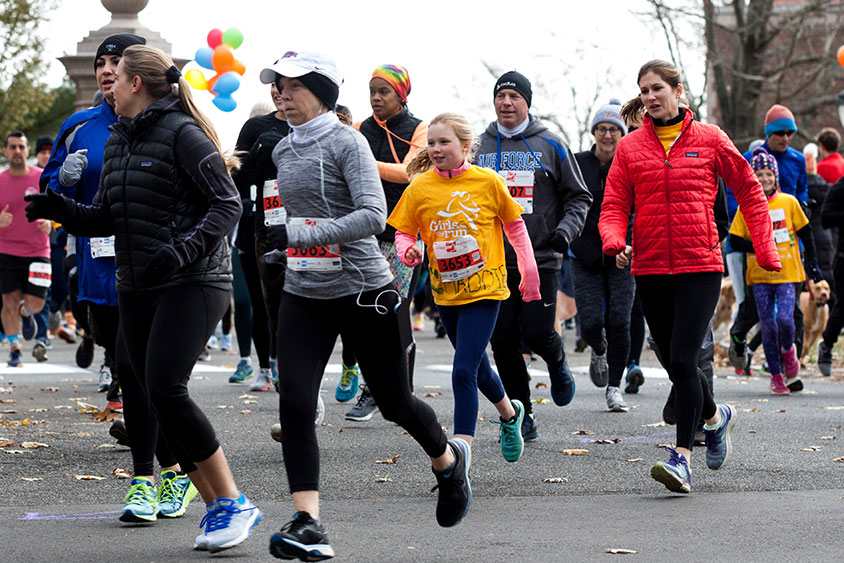
Quick answer: Intermediate runners can prepare for a Thanksgiving 5K with six weeks of focused training built around four weekly runs: one race-pace workout, one long run, and two easy runs. This plan gradually adds race-specific speed, increases the long run, then reduces volume in race week so you can arrive at your Turkey Trot rested and ready to run fast.
Why Trust Us?
ACTIVE.com's editorial team relies on the knowledge and experience of fitness and wellness experts, including competitive athletes, coaches, physical therapists, nutritionists, and certified trainers. This helps us ensure that the products we feature are of the highest standard. Collectively, the team has spent countless hours researching equipment, gear, and recovery tools to create the most accurate, authentic content for our readers. Customer satisfaction is also a key part of our review process, which is why we only feature highly rated products.
Some sources say Thanksgiving is the most popular day in the United States for running. And it makes sense: You have the day off of work and school, there's the promise of a large meal, and in many communities, there's a race right in the neighborhood. ACTIVE's Turkey Trot race directory can help you find an event near you.
If you've signed up for a Turkey Trot and want to do a little more than finish, keep reading. This six-week plan is designed to get you ready for a 5K race feeling confident and speedy. If your local Turkey Trot is longer, you can adjust the mileage accordingly.
This training plan assumes four days of running each week: a workout with race-pace intervals, a longer run, and two easy runs. Feel free to add a fifth day of easy running or cross-training depending on your experience.
Note: If you're new to running or returning after some time off, check out the Couch-to-5K plan. The schedule below is geared toward runners who already have some mileage under their belts and can run three miles comfortably.
Quick Tip
Week 1: Introduce Speed With Strides
- Easy run: 2 miles
- Workout: 3.5 miles with 4 x 20-second strides in the final mile
- Easy run: 3 miles
- Long run: 4 miles at conversational pace
Week 2: Add Goal 5K Pace
- Easy run: 3.5 miles
- Workout: 2-mile warm-up, then 2 x 4 minutes at goal race pace with 3 minutes of easy jogging between intervals; 1 to 2 miles cool down
- Easy run: 3 miles
- Long run: 5 miles at conversational pace, with 4 x 20-second strides in the final mile
Week 3: Extend Your Race-Pace Work
- Easy run: 4 miles
- Workout: 2-mile warm-up, then 3 x 4 minutes at goal race pace with 2 minutes of jogging between intervals; 1 to 2 miles cool down
- Easy run: 4 miles
- Long run: 6 miles, starting easy and gradually getting about 10 seconds faster with each mile
Week 4: Practice a Comfortably Hard Effort
- Easy run: 4 miles
- Workout: 2-mile warm-up, then 2 miles at a comfortably hard pace. For example, if your regular easy-run pace is 10:00 per mile, aim for around 9:00 pace. This pace should be slower than your 5K goal pace. Finish with a 1-mile cool down.
- Easy run: 3 miles
- Long run: 7 to 8 miles at conversational pace
The goal isn't simply to finish your Turkey Trot. It's to arrive at the starting line feeling confident, rested, and ready to run fast.
Week 5: Get Specific With Mile Repeats
- Easy run: 3 miles
- Workout: 2-mile warm-up, followed by 2 x 1 mile at goal race pace with 3 minutes of slow shuffling between intervals; 1-mile cool down
- Easy run: 3 miles
- Long run: 6 miles at conversational pace, with 4 x 20-second strides in the final mile
Week 6: Taper and Race
- Monday workout: 2 miles easy, then 2 x 3 minutes at goal race pace with a 2-minute jog between intervals; 1 to 2 miles cool down
- Tuesday or Wednesday: Optional 2-mile, very easy shakeout run
- Race day: Warm up with about 1 to 2 miles of slow jogging and dynamic stretches. Then win some pie!
Race week is not the time to squeeze in extra fitness. ACTIVE's guide to what to do before a 5K recommends reducing mileage during race week and keeping pre-race running short and light.
Quick Tip
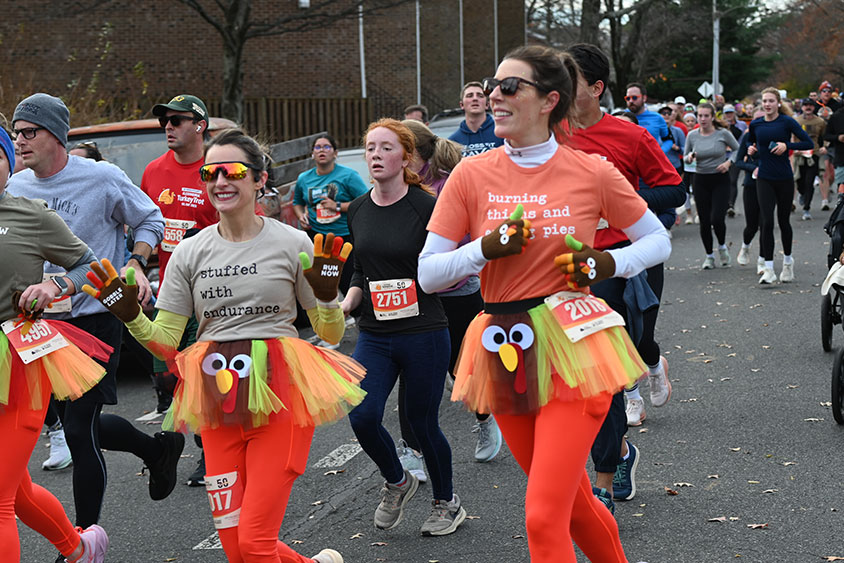
What Should You Do the Day Before a Turkey Trot?
Once you've wrapped up your final shakeout run, it's time to prepare for race day. Use these tips to toe the starting line feeling your best.
Wednesday afternoon: Plan how you'll pick up your bib, how you'll get to the race or where you'll park the next morning, and what time you need to be back home to help with, or eat, the holiday meal.
Wednesday evening: If your race is around a 5K or 10K, you don't need to eat anything special, but it's a good idea to choose a familiar, carb-heavy meal and avoid extra fiber or spicy dishes to give your gut the best chance of success.
What Should You Eat Before a Turkey Trot?
Just because you'll be enjoying a big meal later doesn't mean you should skip a pre-race breakfast. Aim to eat something familiar a few hours before the race. Feeling nervous? Even a sports drink or banana is better than nothing.
ACTIVE's 5K race-day guidance recommends eating early enough to digest comfortably, while its 5K breakfast guide emphasizes choosing foods you've already tested in training and adjusting portion size to how much time you have before the start.
How Should You Warm Up for Your Turkey Trot?
A short 5K is fast enough that you don't want the opening mile to double as your warm-up. Start with easy jogging, then add dynamic movement and a few short faster efforts so your body is ready when the race begins.
ACTIVE's pre-race warm-up guide explains that an effective warm-up prepares the muscles for harder work without unnecessarily tiring you before the start.
What Should You Do After the Race?
Once you cross the finish line, have a snack or small meal such as chocolate milk and a bagel, or fruit and yogurt, to start recovery. Rehydrate, cool down, and then enjoy your Thanksgiving Day. You did it!
ACTIVE's 5K recovery guide recommends cooling down, hydrating, and eating after the race.
Frequently Asked Questions
Is six weeks enough time to train for a Turkey Trot?
Six weeks can provide a focused training block for intermediate runners who already have a running base and can comfortably run three miles. New runners or athletes returning after a long break may need a more gradual beginner plan.
How many days a week should I run for a Turkey Trot 5K?
This plan uses four running days each week: one race-pace workout, one long run, and two easy runs. Experienced runners can optionally add a fifth easy day or cross-training if it fits their usual workload and recovery.
What pace should my easy Turkey Trot training runs be?
Easy runs and most long runs should stay at a conversational effort. The plan reserves faster running for strides, goal-race-pace intervals, and the comfortably hard workout in Week 4.
Should I eat breakfast before a Thanksgiving morning 5K?
Yes. Eat a familiar breakfast or snack that you've tolerated well before training. The amount will depend on how early you wake up and how much time you have before the race.
How should I warm up before a Turkey Trot?
Use easy jogging and dynamic movement before the race, then consider a few short faster efforts. The goal is to feel ready for 5K pace without turning the warm-up into another workout.
About the Author
Megan is a runner and writer who resides in upstate New York. She is a former collegiate runner and regularly competes in marathons. Megan uses her personal experience in competitive running to review fitness equipment and write running guides.
Get ACTIVE on the Go


Couch to 5K®
The best way to get new runners off the couch and across the finish line of their first 5K.
Available for iOS | Android






Discuss This Article