
Steamy mornings, bright sun, triple digits; anyone who has experience with summer running knows that an 80-degree day feels physiologically different from hitting the roads during the cooler months. When it's warm, the body prioritizes cooling the core by diverting blood to the skin, which can slow other functions, such as oxygen delivery to muscles and digestion. When it comes to managing exertion and body temperature, certain nutritional strategies may help. Keep reading to learn how to prioritize hydration, make the most of summer nutrients, and set yourself up for success in summer running.
Whether you're a seasoned racer or just trying to stay consistent through the heat, summer running requires a different approach than training in cooler months. Nutrition is one of the most overlooked levers you can pull to feel and perform better when the temperature climbs.
Why Trust Us?
ACTIVE.com's editorial team relies on the knowledge and experience of fitness and wellness experts, including competitive athletes, coaches, physical therapists, nutritionists, and certified trainers. This helps us ensure that the products we feature are of the highest standard. Collectively, the team has spent countless hours researching equipment, gear, and recovery tools to create the most accurate, authentic content for our readers. Customer satisfaction is also a key part of our review process, which is why we only feature highly rated products.
Hydration & Electrolytes
Water is important, but you need more than plain H2O to perform your best. You may not be a particularly heavy sweater, but you may be a very salty sweater, meaning your sweat is high in sodium. Both can affect running performance and how you feel out on the roads or trails. Some companies offer products that can make more precise measurements, with specifics surrounding electrolyte loss. But if you're looking for a general idea of how much water you're losing, you can do an at-home sweat test to estimate it.
When it comes to intra-run hydration, drinking to thirst is a good rule of thumb. If you've completed a sweat test, you can aim to replace the average amount of fluid you lose while you're out on the roads. For example, if your sweat test showed you lost a pound of fluid, bring along 16 ounces of water and electrolytes in a handheld bottle, and sip it over the course of an hour. For a complete breakdown of when and how much to drink, this guide to hydrating for summer running covers the full picture.
Once you're finished with a run, it's crucial to focus on hydrating with electrolytes and taking in a combination of carbohydrates and protein. Topping off your muscles as soon as your workout is over will go a long way in helping you feel better for your next effort.
Fueling Adjustments
Since blood flow is directed to the skin for cooling, there's less energy available for digestion during the summer, sometimes leading to GI distress. To mitigate these issues, focus on easy-to-digest carbohydrates and limit fiber and fat, which can be harder to digest. Even if you're anxious about digestive issues, it's important to stay consistent with fuel before, during, and after workouts. If you have trouble getting down gels and chews on the run, consider a high-carbohydrate drink mix instead. For more on choosing the right on-the-run fuel, this runner's guide to fuel is a helpful resource.
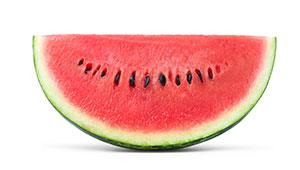
Foods that help with hydration: watermelon, cucumbers, berries, popsicles
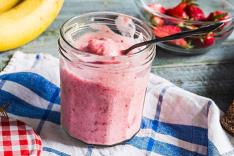
Foods that replenish electrolytes: pickles, snack foods like pretzels and chips, and while a glass of milk isn't on the top of most post-run craving lists, an iced latte or a fruit smoothie made with a cup of cow's milk can be easy-to-find, delicious, and packed with carbs, protein, as well as about 100 milligrams of sodium.
Low-fiber summer foods that are easy to digest: peaches, melon, yellow squash, zucchini, and picnic favorites like pasta salad made with refined grains.
Quick Tip
Speed Up Recovery
Once your run is finished, take advantage of summer's bounty. Standout options include:
- Smoothies made with tart cherry juice or whole cherries, which can reduce muscle soreness.
- Antioxidant-rich berries that can reduce inflammation.
- Dark, leafy greens and tomatoes, which are abundant during the warmer months and packed with vitamins C and K, folate, iron, and antioxidants like lutein.
- If you've got an eye on protein, consider tossing a few extra chicken breasts or sausages on the grill for easy meals and snacks all week.
Running in hot weather can be challenging, but if you stay the course with training adaptations and focused recovery, you'll reap the rewards by the time the temperature cools off.
Frequently Asked Questions
How much should I drink during a summer run?
Drinking to thirst is a reliable starting point for most runners. On runs over an hour, aim to drink 3 to 6 ounces every 15 to 20 minutes and include a sports drink or electrolytes alongside water to replace sodium lost through sweat. If you've done a sweat test and know your hourly fluid loss, use that number to guide how much you bring. Carrying a handheld bottle or hydration pack makes it easier to stay on top of intake during hot weather runs.
What should I eat before running in the heat?
Stick to carbohydrate-rich, low-fiber, low-fat foods in the hours before a summer run. Easy-to-digest options include toast with jam, a banana, oatmeal, or a fruit smoothie. Avoid heavy meals, high-fat foods, and large amounts of fiber, all of which slow digestion and can cause GI distress when the body is working hard to stay cool. Give yourself at least one to two hours between eating and heading out the door.
Do I need electrolytes for every summer run?
For runs under 45 to 60 minutes, water is usually sufficient. For longer efforts, particularly in hot and humid conditions, electrolytes become important to replace sodium and other minerals lost through sweat. Salty sweaters and heavy sweaters may need electrolytes sooner. Signs that you may need more sodium include cramping, excessive fatigue, or feeling off despite adequate fluid intake.
What are the best recovery foods after a hot run?
After a summer run, aim to replace fluids, carbohydrates, protein, and sodium within 30 to 60 minutes. Great summer-friendly options include a fruit smoothie with milk and protein powder, Greek yogurt with berries, chocolate milk, or a turkey sandwich. Tart cherry juice or whole cherries are worth adding to your recovery routine for their ability to reduce muscle soreness. Dark leafy greens and tomatoes, both abundant in summer, provide vitamins and antioxidants that support recovery.
What should I do if I get GI issues during a summer run?
GI distress during hot runs is common because blood is diverted away from the digestive system to help cool the body. If you experience stomach trouble mid-run, switch to plain water and hold off on gels or chews until things settle. Going forward, adjust your pre-run meal to be lighter and lower in fiber and fat. If solid fuels consistently cause problems, try a high-carbohydrate liquid drink mix instead, which many runners find easier to tolerate in warm conditions.
About the Author

Megan is a runner and writer who resides in upstate New York. She is a former collegiate runner and regularly competes in marathons. Megan uses her personal experience in competitive running to review fitness equipment and write running guides.
Get ACTIVE on the Go


Couch to 5K®
The best way to get new runners off the couch and across the finish line of their first 5K.
Available for iOS | Android


Discuss This Article