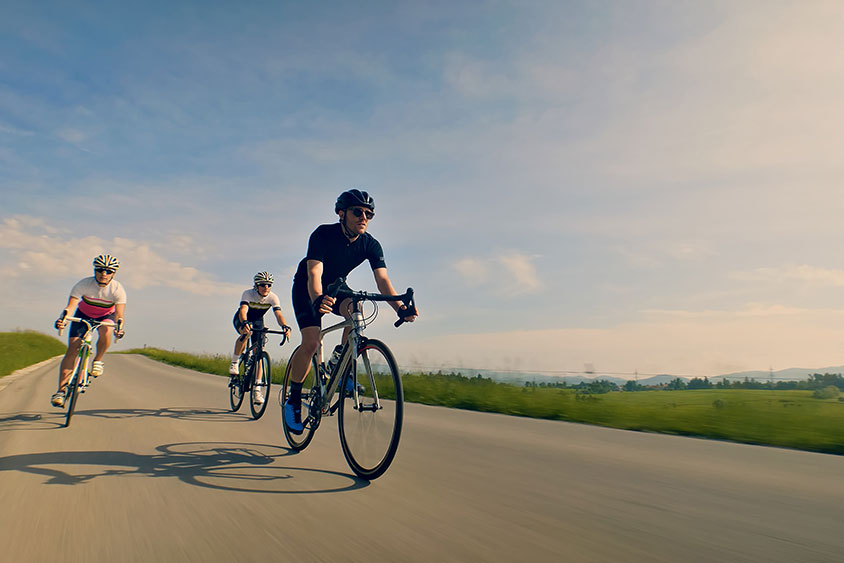
A lot of beginner cyclists might not think about sunglasses until they get something in their eye at 22 miles an hour. By then, the lesson is already learned. Good cycling eyewear isn't an accessory — it's functional gear, and the difference between a pair that actually works and one that just looks the part becomes obvious the first time you're descending a fast road into low afternoon sun with your eyes watering.
Cycling sunglasses do several things at once: block UV radiation, deflect wind and debris, reduce glare, and in some cases enhance contrast so you can read road surfaces more accurately. Getting all of that right requires a few things working together. For a deeper look at exactly why eye protection matters on the bike, this piece on why cyclists should wear sunglasses covers the health and safety case in full. Here's what to look for before you spend a dollar.
Why Trust Us?
ACTIVE.com's editorial team relies on the knowledge and experience of fitness and wellness experts, including competitive athletes, coaches, physical therapists, nutritionists, and certified trainers. This helps us ensure that the products we feature are of the highest standard. Collectively, the team has spent countless hours researching equipment, gear, and recovery tools to create the most accurate, authentic content for our readers. Customer satisfaction is also a key part of our review process, which is why we only feature highly rated products.
What Actually Matters
Lens Technology
This is where the real differences between sunglasses happen, and where the industry has invested the most. Standard tinted lenses block light. Performance lens technologies from top brands do more than that. They selectively filter specific wavelengths of light to enhance contrast and color definition, making surface detail easier to read on roads or trails. On a long ride, that clarity reduces visual fatigue in a way that's hard to quantify but very easy to feel.
Photochromic lenses, also called "fototec" or "reactive" depending on the brand, automatically adjust their tint based on light conditions. They're the most convenient option for riders who move between shade and sun frequently, or who start rides early. The trade-off: they respond to UV rather than visible light, so the transition takes 20 to 40 seconds. For most road and gravel riding, that delay is irrelevant.
Polarized lenses reduce reflected glare effectively and are great for water crossings or wet roads. However, they can make it harder to read digital bike computers or see certain road textures. Most dedicated cycling lenses skip polarization for exactly this reason.
Quick Tip
Coverage
Cycling-specific frames wrap around the face more than conventional sunglasses, for good reason. At speed, wind and debris come from the sides, not just straight ahead. A wider lens that extends beyond the temples and toward the cheekbones gives you real protection. Shield-style lenses (one continuous curved piece rather than two individual lenses) maximize coverage and minimize the frame obstructing your field of view.
Fit and Stability
A pair of sunglasses that slides down your nose on a climb, or bounces on rough gravel, can be downright distracting. Look for grippy rubber nose pads and ear tips, ideally made from hydrophilic rubber that actually grips better as you sweat. Adjustable nose pieces are a meaningful feature, especially if you've had trouble with glasses sitting too high or low. The frame should fit snugly without creating pressure points over a two-hour ride.
Ventilation
Fogging is a real problem, particularly on climbs when your body temperature rises and you drop speed. Quality cycling lenses are engineered with vents or airflow channels that keep air moving across the lens. If you're buying glasses primarily for high-intensity riding with variable pace — hills, gravel, mixed terrain — ventilation should be near the top of your checklist.
Interchangeable Lenses
If you ride across a range of conditions like early morning starts, full midday sun, overcast days, shaded trails, then interchangeable lens systems earn their keep. Most performance cycling glasses offer a dark lens for bright conditions, an amber or rose lens for low-contrast or overcast light, and a clear lens for dawn or dusk. The swap mechanism matters: magnetic systems and tool-free hinges make changing lenses a one-minute process rather than a frustrating ordeal. For more on how to match lens color to riding conditions, this review of summer cycling shades breaks down lens tint and light transmission in practical terms.
Good cycling eyewear isn't an accessory — it's functional gear, and the difference between a pair that actually works and one that just looks the part becomes obvious the first time you're descending a fast road into low afternoon sun with your eyes watering.
Three Picks for 2026
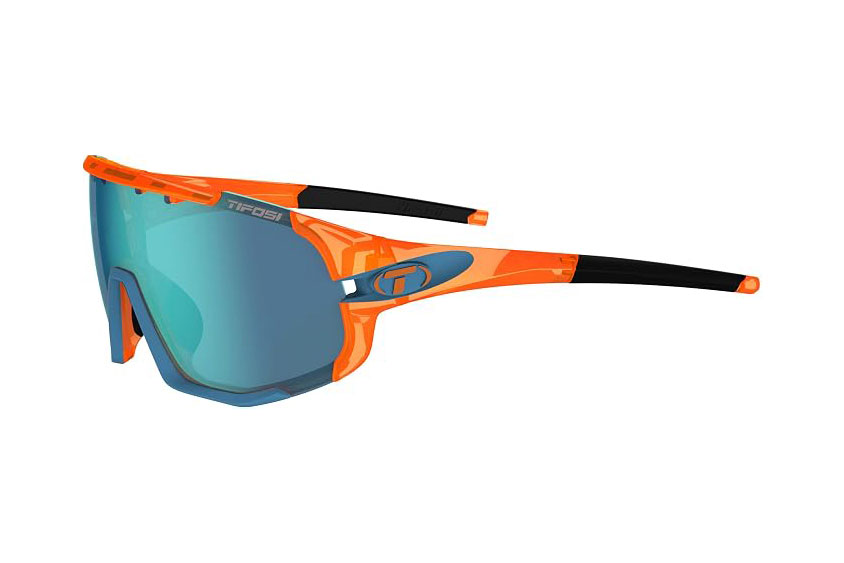
Budget Pick: Tifosi Sledge — Around $60–$80
Tifosi has built a loyal following among cyclists who want performance features without the premium price, and the Sledge is the model that earns them the most credit. Oversized coverage, adjustable hydrophilic rubber nose and ear pieces that grip harder as you sweat, and vented lenses that move air effectively — these are the things that matter on a long ride. The Sledge delivers on all of them. You can choose between an interchangeable lens system and Tifosi's Fototec photochromic option, which is genuinely among the best-value photochromic lenses on the market. It won't have the optical finesse of Prizm or ChromaPop, but it performs far above its price point. Tifosi also backs their products with a lifetime warranty against manufacturer defects. For a first pair of dedicated cycling sunglasses, there's no better starting point.
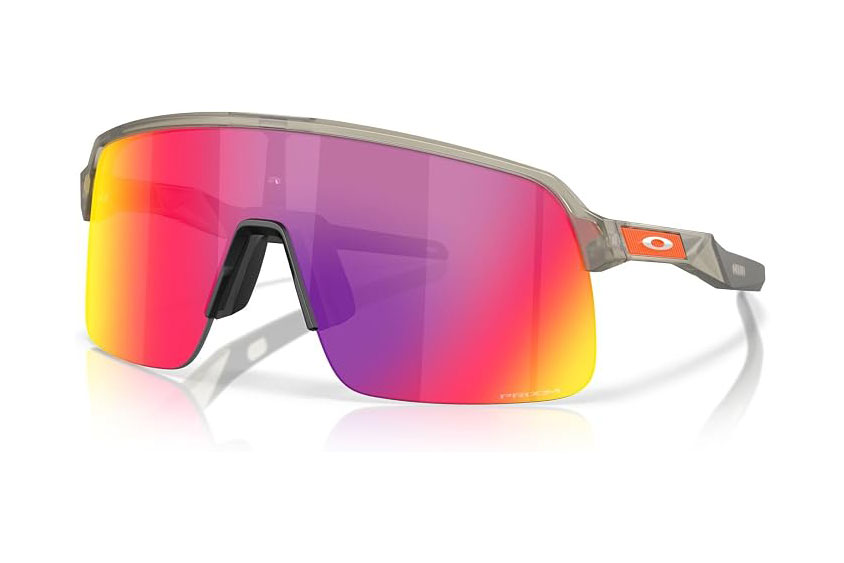
Mid-Range Pick: Oakley Sutro Lite — Around $214
The Sutro has been one of the most recognizable cycling sunglass frames of the past several years, and the Lite version takes everything that made it popular and removes weight without removing coverage. The semi-rimless shield design gives you an expansive field of view, the Unobtainium nose pads grip reliably with perspiration, and the Prizm Road lens — the one worth buying — does a genuinely impressive job of enhancing contrast on pavement, making cracks, gravel, and surface changes easier to see before you're on top of them. The frame is polarization-free by design, which keeps your computer readable and road texture visible. At this price point, the Sutro Lite sits in the sweet spot of the cycling eyewear market: you're getting real performance optics without paying for titanium or carbon frame materials. They're also widely available at most bike shops and sporting goods retailers, which means trying them on before you buy is a realistic option. For more on how Oakley's Prizm technology performs in practice, this guide to sunglasses and triathlon performance puts it in the context of long-distance racing.
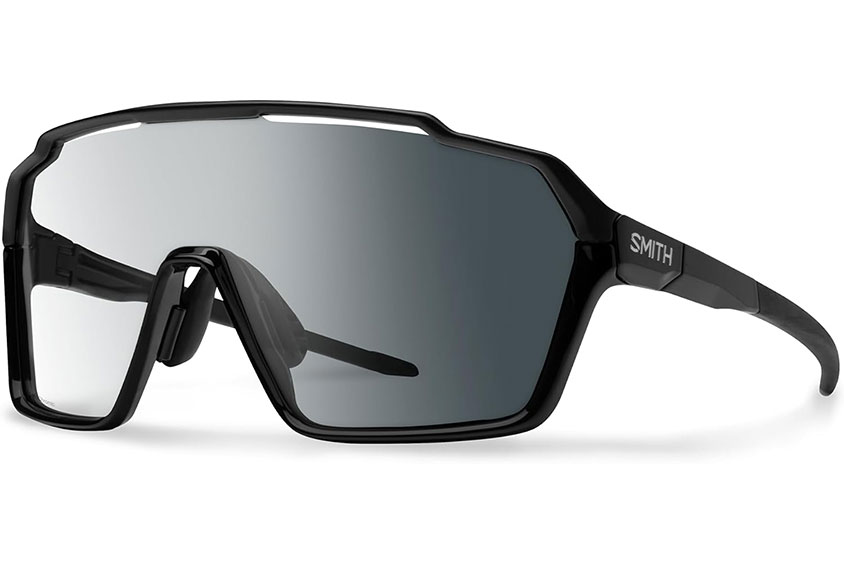
Premium Pick: Smith XL Mag — Around $347
The Shift MAG is where Smith's lens technology and engineering meet at their best, and the feature that justifies the price is right in the name: a magnetic clip mechanism that lets you swap lenses in seconds, one-handed, without removing the frame. Two ChromaPop lenses come included — a tinted lens for bright conditions and a clear lens for low light or heavy canopy — and additional lenses are available separately, making it a complete system for any conditions you'll encounter on a long ride. The 5-base curvature keeps the profile flat and aerodynamic without sacrificing wrap coverage; the Megol temple and nose pads grip reliably through climbs and on rough roads; and the TR90 nylon frame is both lightweight and impact-resistant. ChromaPop optics consistently rank among the best available for color enhancement and contrast. For riders who log serious miles across varying conditions and want sunglasses that function as a complete system rather than a single-use tool, this is the one to buy.
A good pair of cycling sunglasses is one of the easier upgrades you can make. You notice the difference immediately — both in what you can see and in how long you can ride without eye fatigue. No matter which option you choose, this purchase is a must before you hit the road this summer. If you ride with prescription lenses, this guide to cycling with prescription glasses covers your options in detail.
Frequently Asked Questions
What should I look for in cycling sunglasses?
The most important factors are lens technology, coverage, fit and stability, ventilation, and whether the glasses offer interchangeable lenses. Performance cycling lenses should enhance contrast and reduce visual fatigue rather than simply block light. The frame should wrap around your face to protect against wind and debris from the sides, grip securely without pressure points, and resist fogging on climbs. Interchangeable lens systems are a meaningful feature if you ride across a variety of light conditions.
Are polarized lenses good for cycling?
Polarized lenses are effective at reducing reflected glare, which can be useful near water or on wet roads. However, they can interfere with reading digital cycling computers and may make it harder to distinguish certain road textures. For this reason, most dedicated cycling sunglasses skip polarization in favor of contrast-enhancing lens technologies like Oakley Prizm or Smith ChromaPop, which improve visibility without the drawbacks of polarization.
What is a photochromic cycling lens?
Photochromic lenses automatically adjust their tint level based on the amount of UV light present. They darken in bright sun and lighten in shade or low light, making them a convenient option for riders who move between different conditions during a single ride or who start early in low light. The transition typically takes 20 to 40 seconds, which is rarely noticeable during road or gravel riding. Most brands offer photochromic versions across budget and mid-range price points.
How much should I spend on cycling sunglasses?
You can get capable, well-made cycling sunglasses for as little as $60 to $80 from brands like Tifosi. Mid-range options in the $150 to $250 range, such as the Oakley Sutro Lite, offer genuine performance optics with reliable fit systems. Premium options above $300, like the Smith XL Mag, add features such as magnetic lens-swap systems and the most advanced lens technologies available. The right budget depends on how many miles you ride and how variable your conditions are.
Can I get cycling sunglasses with prescription lenses?
Yes. Several major cycling eyewear brands now offer prescription lens options, including ROKA, Oakley, and Rudy Project. These brands have developed frames and lens systems designed to accommodate prescription lenses while maintaining the coverage, aerodynamics, and fit that cycling-specific eyewear requires. Prescription cycling sunglasses are a significant improvement over wearing standard glasses under a pair of sports frames, both in terms of comfort and optical clarity.
By clicking on the product links in this article, we may receive a commission fee at no cost to you, the reader. Sponsorships and affiliate commissions help support our research so we can help you find the best products. Read full affiliate disclosure here.
About the Author

Marc Lindsay is a longtime endurance athlete with more than 25 years of experience running and cycling. He has completed marathons, ridden century rides, and competed in collegiate cross country. He previously served as a cycling and triathlon editor at ACTIVE.com, and his writing has appeared on MyFitnessPal and Polar.com, among other digital and print publications. He holds a master’s degree in writing from Portland State University and resides in Chicago, Illinois.
Get ACTIVE on the Go


Couch to 5K®
The best way to get new runners off the couch and across the finish line of their first 5K.
Available for iOS | Android




Discuss This Article