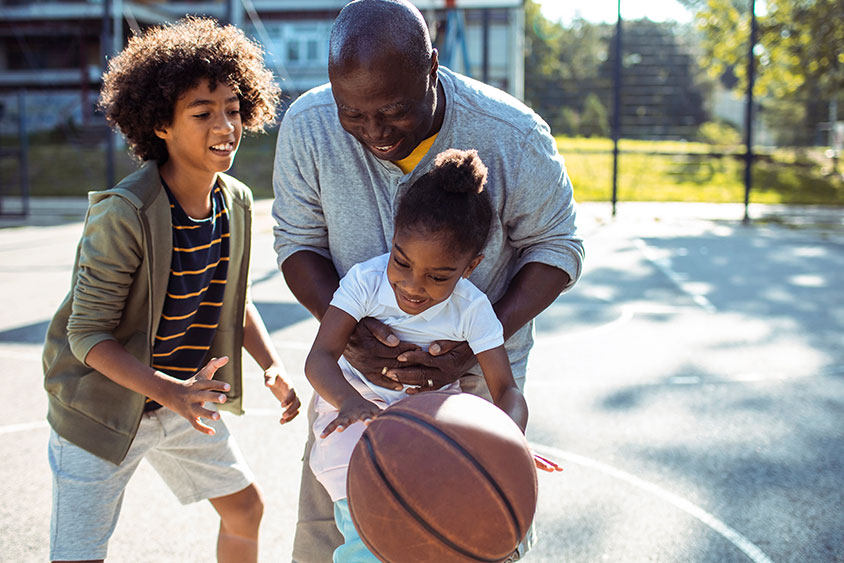
Quick answer: Help kids build a lifelong love of movement by making activity fun, giving them choices, celebrating effort and progress, encouraging a variety of activities, modeling a healthy relationship with exercise, and weaving movement into everyday family life. The goal is not to create the next great athlete; it is to help children feel confident, capable, and excited to keep moving.
Why Trust Us?
ACTIVE.com's editorial team relies on the knowledge and experience of fitness and wellness experts, including competitive athletes, coaches, physical therapists, nutritionists, and certified trainers. This helps us ensure that the products we feature are of the highest standard. Collectively, the team has spent countless hours researching equipment, gear, and recovery tools to create the most accurate, authentic content for our readers. Customer satisfaction is also a key part of our review process, which is why we only feature highly rated products.
Think back to ways you loved to move as a child. Maybe you rode your bike around the neighborhood, climbed trees, danced in the living room, or played outside until the sun went down. Some of my personal favorites were sliding down the stairs in a sleeping bag and playing hide-and-seek with the neighbors, getting sweaty in the cool air until dinnertime forced us inside.
Whatever your favorite childhood activities were, chances are you weren't thinking about actual exercise or how many minutes of physical activity you were getting. You were just having fun.
For children, movement is a natural part of discovering the world around them. They do not need a separate calendar to make sure they are getting their steps in or reaching their exercise goals. Yet somewhere between childhood play and adulthood, exercise can begin to feel more like a responsibility than a source of enjoyment.
So how do we help kids hold on to that early enthusiasm?
Building a lifelong love of movement goes beyond signing children up for sports or encouraging them to be more active. It is about creating positive experiences that help them feel confident, capable, and excited to move their bodies. ACTIVE's family fitness resources offer additional ideas for making movement part of family life.
What Does Physical Literacy Mean for Kids?
Researchers use the term physical literacy to describe the combination of motivation, confidence, physical competence, and understanding that supports participation in physical activity throughout life. In other words, being physically active isn't just about what a child can do. It's also about how they feel while they are doing it.
A 2025 study in Frontiers in Sports and Active Living explored children's perceptions of physical literacy and highlighted the importance of enjoyment, emotional well-being, and social connection in their relationship with movement.
While learning physical skills is important, helping children discover activities they genuinely enjoy may be just as valuable. Here are six ways to help nurture that relationship from an early age.
Quick Tip
1. Let Play Lead the Way
For young children, play is one of the most natural ways to develop physical skills. Running, jumping, climbing, crawling, and balancing all help build coordination, strength, and body awareness, often without children even realizing they are learning.
While organized activities certainly have their place, children also benefit from opportunities to move without instructions, rules, or expectations.
Give them space to create their own games, build obstacle courses, explore a playground, or simply run around outside. Resist the urge to turn every activity or movement into a lesson. Sometimes the greatest benefit comes from allowing children to discover what their bodies can do on their own.
Adults can join in while still leaving room for children to lead. In my own home, I love to guide a nightly wind-down movement routine that blends Pilates and yoga exercises. More often than not, these sessions turn into my kids taking the floor, showing off their own made-up moves, and taking turns playing teacher. It is all part of the flow and fun.
2. Give Kids a Say
Children are more likely to engage in activities they feel excited about rather than ones they have been told they must do. Giving them choices helps foster a sense of ownership over how they move.
Instead of announcing it's time to exercise, ask whether they would rather ride bikes, play at the park, or have a dance party. Even small choices can help children feel more involved.
Pay attention to what naturally captures their interest, too. One child may love the structure of team sports, while another prefers swimming, gymnastics, or exploring outdoors. The goal is not to find the activity you think they should enjoy. It is to help them discover what they love.
If your child wants to explore an organized activity, ACTIVE's youth sports and camp directory can help families explore different sports and programs.
3. Build Confidence, Not Just Skills
Confidence plays an important role in a child's willingness to try new physical activities. When children feel capable, they are often more comfortable exploring unfamiliar movements and challenges.
But confidence does not necessarily come from being the fastest runner, the strongest swimmer, or the best player on the team. It develops through opportunities to practice, make mistakes, and recognize personal progress.
Celebrate effort and improvement, not performance alone. When praising a child for scoring the winning goal, also acknowledge their persistence, teamwork, or willingness to try something new.
And remember that challenges should feel achievable. A child who struggles to catch a ball might have more success starting with a larger, softer ball or practicing from a shorter distance. Small wins, big gains, a principle that applies at any age. These small successes encourage children to keep trying, building both physical skill and self-confidence along the way.
The goal is not to find the activity you think they should enjoy. It is to help them discover what they love.
4. Encourage Variety Over Specialization
There is no need to rush children into choosing one sport or activity. Exploring a variety of movements can help them develop a broader range of physical skills while discovering new interests.
The American Academy of Pediatrics encourages youth participation in a range of activities and addresses the risks associated with excessive training and specialization in organized sport.
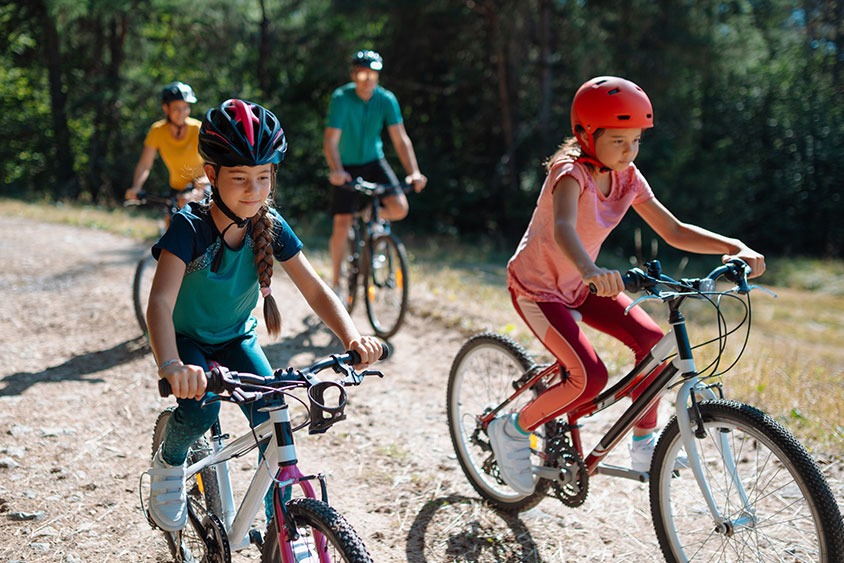
Beyond organized sports, look for opportunities to introduce different types of movement. Hiking challenges endurance, climbing develops strength and coordination, and dancing builds rhythm and creativity. Different activities offer different opportunities for physical development, and what excites a child today may change as they grow.
Keep the door open for exploration, even when their interests shift. ACTIVE has also covered the risks of overtraining young athletes, including the importance of keeping training demands appropriate for growing bodies.
Quick Tip
5. Be a Model, Not Just a Coach
Children learn a lot by observing the adults around them, including how we approach physical activity. When movement is something parents genuinely enjoy rather than another task to check off a list, children can see it as a positive part of everyday life.
Talk about how good a walk feels, invite them to join you for a bike ride, or let them see you try something new. It is equally valuable to show them that physical activity doesn't always come easily and that learning new skills takes practice.
Try to avoid focusing conversations about exercise on weight, appearance, or burning calories. Instead, emphasize how movement helps you feel stronger, more energized, or simply happier.
A 2023 systematic review in PeerJ examined parental involvement and parenting styles in relation to children's active lifestyles.
You don't have to be an athlete or have a perfect exercise routine to demonstrate a healthy relationship with movement. Often, the most meaningful example is simply being willing to participate.
6. Make Movement Part of Everyday Life
A lifelong habit doesn't have to begin with a structured routine. Small, mundane everyday opportunities for movement still add up.
Walk to a nearby destination, take the stairs together, play catch while dinner is cooking, or spend a few minutes stretching before bedtime. Weekend outings might include visiting a local climbing gym, exploring a nature trail, or biking to the beach. These moments don't need to be measured, tracked, or even labeled as exercise.
ACTIVE's family activity hub provides ideas and events for families who want to stay active together.
The Takeaway
Helping children build a lifelong love of movement isn't about developing the next great athlete or finding the perfect exercise program. It's about giving them opportunities to explore, discover their strengths, and experience the joy of being active.
Ultimately, the goal isn't just to raise children who move more, but children who want to keep moving long after childhood ends.
Frequently Asked Questions
How can I get my child to enjoy being active?
Start with activities your child finds fun, offer choices, and give them opportunities for unstructured play. Focus on enjoyment, effort, and exploration rather than treating movement as a chore or measuring every activity.
Does my child need to play an organized sport to stay active?
No. Organized sports are one option, but biking, dancing, hiking, playground games, swimming, climbing, and active family time can all give children opportunities to move and develop physical skills.
Should kids specialize in one sport?
Children can benefit from exploring different sports and forms of movement rather than feeling pressured to choose one activity early. Variety can expose them to different skills and help them discover the activities they enjoy most.
How can parents encourage movement without putting pressure on kids?
Offer choices, participate alongside them, celebrate effort and progress, and avoid making exercise about weight, calories, or performance alone. Let children help decide how they want to move.
What are easy ways to make movement part of family life?
Walk or bike to nearby destinations, take the stairs, play outside, stretch together before bed, visit a playground or trail, or turn everyday moments into simple games. Movement does not need to be a formal workout to count as an active experience.
About the Author

Kristina Duffy is a Pilates Instructor and movement specialist who helps active individuals return to pain-free movement after injury, pregnancy, or prolonged time away from sport. Working with a wide range of bodies and experience levels, she specializes in core rehabilitation, strength restoration, and sustainable training practices that support long-term performance and pain-free living. Kristina’s approach emphasizes building body awareness, reducing fear around movement, and building confident strength so clients can live and perform at their best.
Get ACTIVE on the Go

Couch to 5K®
The best way to get new runners off the couch and across the finish line of their first 5K.
Available for iOS | Android




Discuss This Article