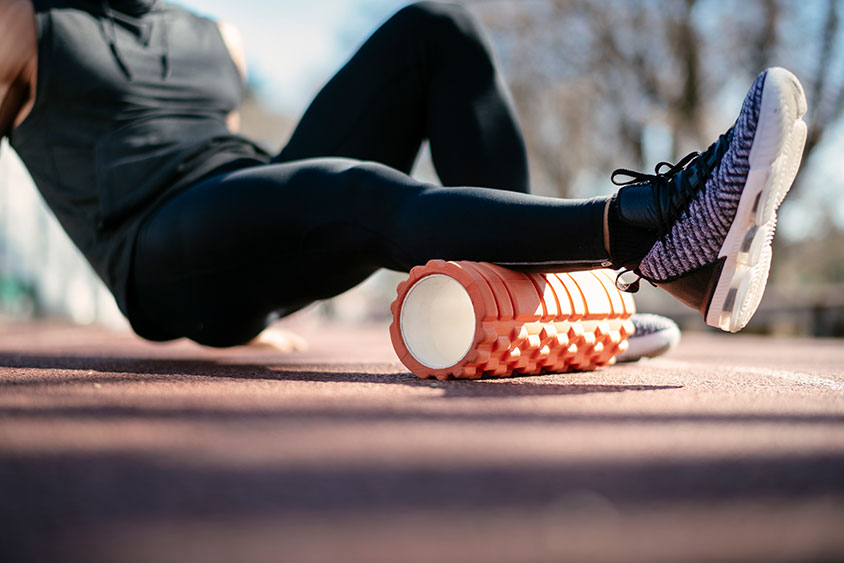
Picture this: you finish a workout or training session, maybe stretch, maybe not, and then carry on. Maybe your body bounces back right away, maybe it doesn’t. Every body is different and so is recovery. Some need more support, some not much at all (at least not yet). But one thing is consistent: without any active recovery, the body will eventually begin to feel it. Recovery isn’t something to leave to chance. It is something that should be actively supported to sustain longevity in training and overall fitness. Foam rolling is one of the simplest ways to do that. When used correctly, it becomes more than just a way to roll out sore muscles. It is targeted, intentional work that helps your body recover more efficiently.
Why Trust Us?
ACTIVE.com's editorial team relies on the knowledge and experience of fitness and wellness experts, including competitive athletes, coaches, physical therapists, nutritionists, and certified trainers. This helps us ensure that the products we feature are of the highest standard. Collectively, the team has spent countless hours researching equipment, gear, and recovery tools to create the most accurate, authentic content for our readers. Customer satisfaction is also a key part of our review process, which is why we only feature highly rated products.
What Foam Rolling Actually Does
Foam rolling isn’t about breaking up knots or forcing your muscles to change. It is about creating an environment where your body can let go of tension and recover more effectively. When you apply pressure to an area, you increase circulation, bring fresh blood into the tissue, and signal your nervous system to relax. This is what allows muscles to release, rather than being pushed or forced to change.
Foam rolling should not feel like punishment, but more like a reset. When used correctly, it helps restore movement, reduce lingering tightness, and support your body as it recovers from the demands of training.
How to Foam Roll Properly
The biggest mistake people often make with foam rolling is rushing through it. Rolling quickly back and forth might feel productive, but it doesn’t give your body time to respond. A better move is to slow everything down. Move gradually over the muscle, and when you find a more sensitive or tight area, pause there. Stay for 20-30 seconds and breathe. Let the tissue soften rather than trying to force it.
Pressure should be intentional, not aggressive. You can always adjust how much weight you put into the roller. More pressure isn’t better if your body braces against it. Pay attention to what you feel. Ask yourself these questions: Are you holding tension? Are you able to relax into it? Foam rolling works best when your body feels safe enough to let go. Think of it less as something you are doing to your body, and more as something you are doing with it.
When to Foam Roll
When you foam roll, it matters just as much as how you do it. After a workout is one of the most effective times. Your muscles are already warm, making it easier to release tension and restore circulation. This is where foam rolling can help bring your system back down and support recovery.
On rest days, it becomes a way to keep your body moving without adding more load. Even a few minutes can help reduce stiffness and maintain mobility.
Before a workout, foam rolling can be helpful, but in a lighter, more intentional way. Think of it as a way to wake up the body, not break it down.
The goal is simple: match the intensity of your foam rolling to what your body needs in that moment.
Key Areas to Target
Not everything needs to be rolled. Focus on the areas that take on the most load while running.
Calves
Important for ankle movement and lower leg stiffness. Roll slowly from the Achilles to just below the knee, pausing on tender spots.
Quads
The upper fronts of the legs handle a large portion of the workload and impact. Position face down and move gradually from the hip to above the knee, keeping the joints off.
Hamstrings
Often overlooked but key for supporting movement efficiency and stride mechanics. Sit on the roller and move slowly along the back of the thigh, keeping pressure manageable.
Glutes
One of the most important areas for stability, control, and power. Cross one leg over the other and lean into the glute of the bottom leg. Move slowly, pausing on tender spots, and shift slightly side to side to help ease tension.
Outer Hips
Instead of aggressively rolling the IT band, focus just above it near the front and side of the hip. Tension often builds here and is much more responsive to pressure. Stay on the muscle, not the hip joint.
Common Foam Rolling Mistakes
Foam rolling is simple, but it is easy to do it in a way that limits its effectiveness.
- Moving too quickly is one of the most common mistakes. If you are rolling back and forth without stopping, your body doesn’t have time to respond.
- Going too hard is another. More pressure doesn’t equal better results, especially if your body is tightening against it.
- Rolling directly over joints like the knees, hips, or low back can also do more harm than good. Stay on the muscle tissue.
- Last is inconsistency. A few minutes done regularly will always be more effective than one long session done occasionally.
A Simple 5-10 Minute Routine
You don’t need a long session to see benefits. This can be done after a workout or on a rest day:
- Calves: 1 minute each side
- Quads: 1 minute each side
- Glutes: 1 minute each side
- Outer hips: 30-60 seconds each side
Move slowly, pause where needed, and focus on relaxing into pressure.
How to Know It’s Working
As you incorporate foam rolling consistently, you may notice your movement feels smoother, your body feels less restricted, and tightness doesn’t linger as long. It isn’t about eliminating all discomfort immediately, but about helping your body recover more efficiently over time. With foam rolling specifically, you will start to notice a shift. Areas that once felt tight or uncomfortable begin to move more freely, and your body feels easier to work with.
Recovery is not something that just happens. It is something you build into your routine. Foam rolling is a simple tool, but when used with intention, it can make a meaningful difference in how your body feels and performs. Those who stay consistent continue to move well, train well, and recover well.
Get ACTIVE on the Go


Couch to 5K®
The best way to get new runners off the couch and across the finish line of their first 5K.
Available for iOS | Android



Discuss This Article